
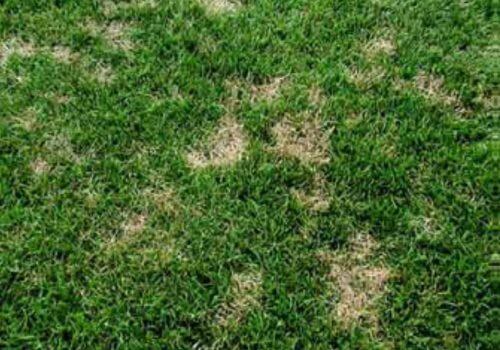
Yellow lawn patches usually signal that grass is stressed rather than permanently damaged. Uneven watering, excess fertilizer, compacted soil, pet urine, dull mower blades, and disease can all change turf color. Restoring yellow grass starts with identifying the pattern, correcting the cause, and giving the lawn enough time to produce healthy green growth again.
Start by Reading the Pattern
Look closely at the size, shape, and location of each yellow area before adding fertilizer or water. Circular spots may have a different cause from broad sections near pavement, while yellowing across the entire lawn may point toward mowing, watering, or nutrient problems.
Timing offers another clue. A patch that appears after several hot days may reflect dry soil, while damage that follows fertilizing could indicate excessive product or uneven application. Keeping basic notes alongside other practical home observations can make recurring lawn problems easier to recognize.
Check the Grass and Soil
Pull gently on several grass blades. Healthy roots usually hold reasonably well, while badly damaged turf may lift more easily.
Push a screwdriver several inches into the soil after watering. If penetration is difficult, compaction may be preventing water and oxygen from reaching the root zone efficiently.
Improve Watering Before Adding More Products
More water isn’t automatically better. Grass performs best when moisture reaches the root zone instead of repeatedly wetting only the surface.
Check sprinkler coverage by placing several straight-sided containers around the affected area during an irrigation cycle. Large differences between containers reveal uneven coverage. Broader everyday care perspectives can be useful reminders that consistent routines often work better than sudden corrective measures.
| Lawn Clue | Possible Issue | Better Response |
|---|---|---|
| Dry, crispy blades | Too little water | Check irrigation coverage |
| Soft yellow turf | Excess moisture | Reduce watering frequency |
| Yellow near pavement | Heat or dry soil | Inspect soil moisture |
| Small concentrated spots | Pet or spill damage | Dilute and monitor |
Adjust Mowing and Feeding Habits
Cutting grass too short removes much of its photosynthetic surface and exposes soil to faster drying. Follow the appropriate mowing height for your grass type, and avoid removing more than roughly one-third of the blade at a single mowing whenever practical.
Fertilizer also deserves restraint. Applying extra nutrients to already stressed turf can worsen discoloration, especially during hot or dry conditions. Reviewing broader household maintenance ideas may reinforce a useful principle: diagnose first, then apply the smallest correction that solves the actual problem.
Repair Thin or Dead Areas
Once the underlying problem is corrected, rake away loose dead material so new growth can reach soil. Small bare areas may be reseeded or repaired with sod that matches the existing lawn.
Good seed-to-soil contact matters more than simply scattering seed over old grass. Keep newly seeded areas consistently moist during establishment without turning the soil soggy.
Common Lawn-Care Mistakes That Slow Recovery
A yellow patch often triggers several treatments at once: extra fertilizer, more watering, fungicide, and aggressive mowing. That makes the original cause harder to identify and can create additional stress.
Another mistake is expecting color to return immediately. Damaged blades may remain yellow even after conditions improve. Judge progress by whether healthy new growth appears and whether the affected area stops expanding.
Frequently Asked Questions
Can yellow grass turn green again?
Yes, if the growing point and roots remain healthy. Correcting water, mowing, nutrient, or soil problems can allow new green blades to replace damaged growth. Severely dead turf may need reseeding or sod.
Should I fertilize yellow lawn patches?
Not automatically. Yellowing can come from excess fertilizer, drought, disease, pet damage, or poor soil conditions. Identify the likely cause before adding nutrients, because unnecessary fertilizer can make some problems worse.
How long does lawn recovery usually take?
Recovery depends on grass type, season, weather, and the severity of damage. Mild stress may improve as fresh growth develops, while dead or badly thinned sections can require reseeding and a longer establishment period.
Give the Grass a Better Growing Environment
Treat yellow lawn patches as clues rather than a reason to reach immediately for another lawn product. Check moisture, soil condition, mowing height, and recent treatments first. Correct one likely cause at a time, watch how new growth responds, and repair genuinely dead sections only after the source of stress has been addressed.