
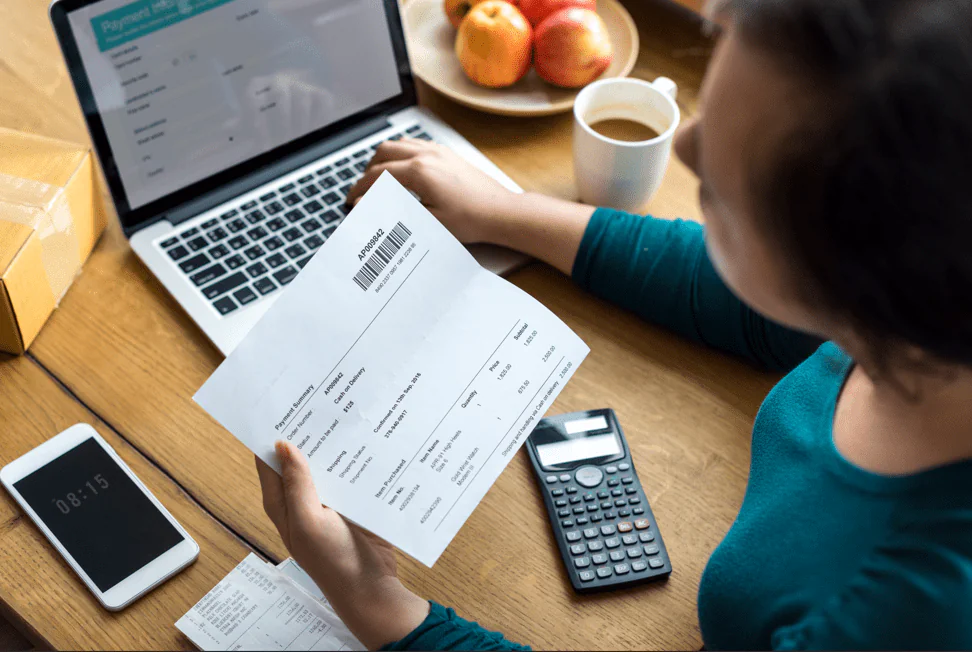
A utility bill that suddenly jumps can feel like proof that something went wrong, but the amount alone rarely explains the problem. Before challenging a charge, compare the bill against meter readings, billing dates, rate changes, past usage, and any estimated readings. A well-organized record gives the utility company something specific to investigate instead of a general complaint.
Start With the Meter and Billing Period
Check the current and previous meter readings shown on the bill. If your meter is accessible, record the displayed reading and take a dated photo. The number may not match the bill exactly because billing readings were taken earlier, but a major difference can help identify an estimated reading or reporting problem.
Pay attention to the number of days in the billing cycle as well. A longer cycle can produce a larger total even when daily use stayed fairly steady.
Separate Usage From Price Changes
Higher bills don’t always mean higher consumption. Delivery charges, fuel adjustments, taxes, seasonal rates, and other approved charges can change the total.
Keeping a simple month-by-month record makes these differences easier to see. Consumers searching through consumer legal topics may find many explanations of disputes, but the strongest starting point is still the customer’s own bill, meter record, and utility correspondence.
Compare Several Bills, Not Just One
Pull at least several recent statements and compare usage, meter-reading status, rate categories, payment credits, and previous balances. Look for a clear point where the pattern changed.
A single unusual month may have a practical explanation. A repeated discrepancy across several statements can point to something worth formally questioning.
| Item to Check | What to Compare | Possible Issue |
|---|---|---|
| Meter reading | Bill versus meter | Estimated or incorrect reading |
| Billing period | Number of days | Longer billing cycle |
| Usage | Prior months | Consumption spike |
| Charges | Rate and fees | Pricing change |
Broader UK news and information pages may discuss household-cost pressures, but your individual dispute should remain tied to documents that show exactly what happened on your account.
Contact the Utility With Specific Questions
Instead of saying the bill is simply “too high,” identify the exact item you want explained. Ask whether the reading was actual or estimated, whether the rate changed, whether a prior balance was carried forward, and whether the company can review the meter history.
Keep notes of calls, including the date, representative’s name if available, reference number, and what the company promised to do. Written communication is even easier to preserve.
Consumers may also encounter general regional information resources while researching billing concerns, but those materials shouldn’t replace your utility’s tariff, account history, or regulator’s instructions.
Where Billing Complaints Often Go Wrong
People sometimes focus entirely on the final dollar amount. That can make a legitimate complaint harder to evaluate because the company still needs to know which reading, rate, fee, or credit is disputed.
Another mistake is withholding payment without understanding the consequences. Disconnection rules, payment-plan rights, dispute procedures, and notice requirements vary by state and provider, so don’t assume that opening a complaint automatically pauses every payment obligation.
When to Get Outside Help
Escalation may make sense when the company cannot explain a documented discrepancy, repeatedly changes its explanation, refuses to correct an acknowledged error, or threatens service interruption while a serious billing issue remains unresolved.
USAGov provides a directory of state consumer protection offices that can help consumers find the appropriate state-level contact. State utility commissions or similar regulators may also handle certain electricity, gas, water, or telecommunications complaints depending on jurisdiction.
Frequently Asked Questions
Can an estimated meter reading cause a high bill?
Yes. An estimated reading can differ from actual consumption, and later adjustments may create an unusually high or low statement. Check whether the bill identifies the reading as estimated and compare it with your current meter.
Should I photograph my utility meter?
A dated meter photo can be useful when documenting a suspected reading error. Keep the original image along with the corresponding bill so the reading can be placed in context.
What records should I keep during a billing dispute?
Keep bills, meter photos, payment confirmations, emails, letters, complaint numbers, and notes from phone calls. Organizing records by date makes it easier to explain the dispute clearly.
Build the Complaint Around Evidence
A billing complaint becomes much easier to understand when each disputed charge is tied to a reading, date, rate, or payment record. Compare the account history first, identify the specific discrepancy, and then ask the utility to address that point directly. If ordinary customer service cannot resolve a documented issue, check the formal complaint options available in your state.
This article provides general information and is not a substitute for legal or financial advice.