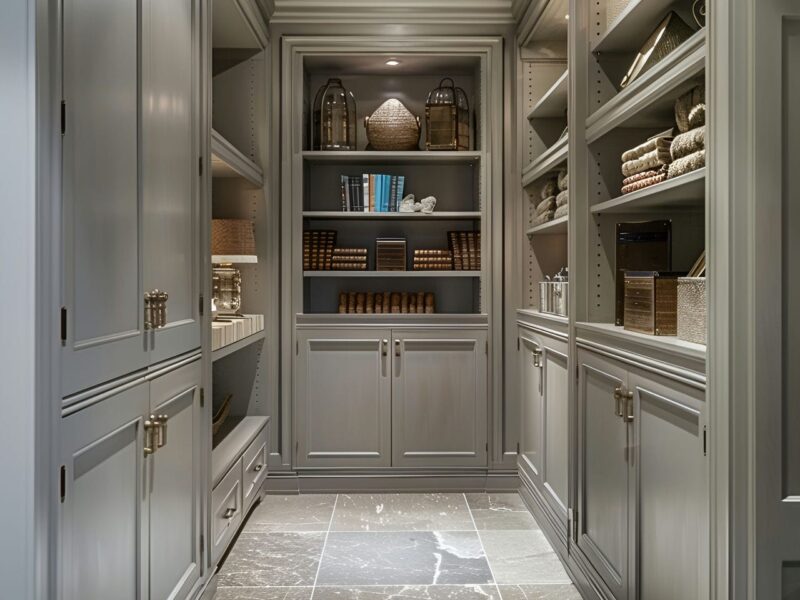
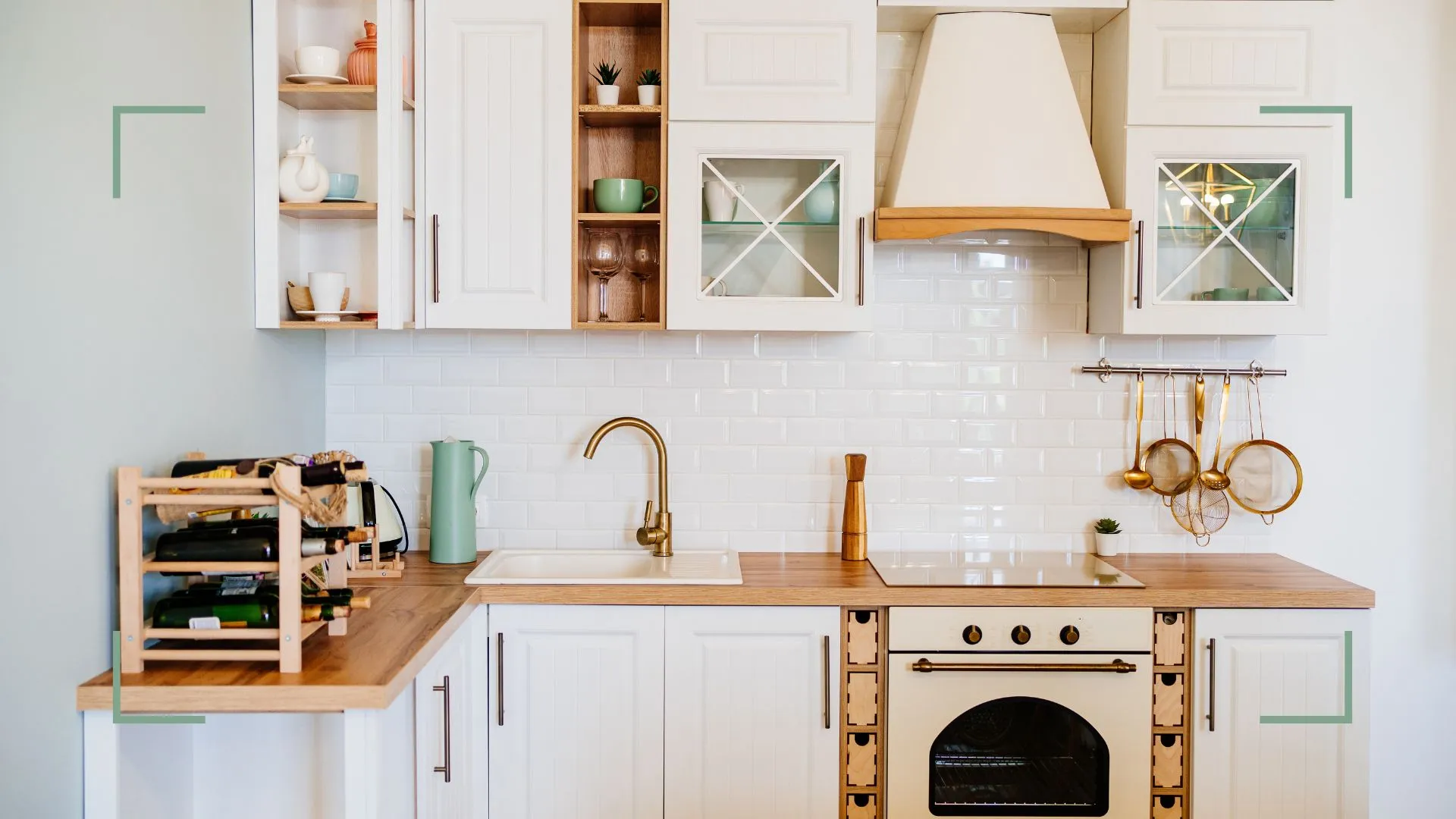
Limited cabinet space can make an otherwise functional kitchen or bathroom feel cramped. The solution doesn’t always require tearing out cabinetry or adding expensive built-ins. Better use of vertical space, cabinet doors, shelf depth, and storage zones can create surprising amounts of usable room.
The goal is simple: make every cabinet easier to access without filling every inch.
Start by Removing What Shouldn’t Be There
Extra storage begins with deciding what deserves cabinet space. Duplicate utensils, expired pantry items, rarely used serving pieces, and containers without matching lids can quietly consume entire shelves.
Remove everything from one cabinet at a time. Group similar items together, then return only what belongs in that particular area. Looking through broader home organization inspiration can also help you recognize spaces that are being used inefficiently.
Give Frequently Used Items Priority
Daily dishes, cooking oils, coffee supplies, and everyday food containers should occupy the easiest shelves to reach. Holiday platters and specialty appliances can move higher or deeper.
Convenience matters more than perfect symmetry.
Add Another Storage Level Inside Tall Cabinets
One of the biggest cabinet problems is unused vertical space. A stack of plates may occupy only half the height between two shelves, leaving valuable air above it.
Freestanding shelf risers create a second level without permanent installation. They work well for mugs, bowls, canned goods, spices, and small food containers.
A practical home reference can be useful when comparing different approaches to arranging small household spaces, but the best setup should reflect what you use most often.
| Cabinet Problem | Simple Fix | Best Use |
|---|---|---|
| Tall empty gap | Shelf riser | Plates and bowls |
| Deep shelf | Pull-out bin | Pantry foods |
| Crowded door area | Door organizer | Wraps and lids |
| Loose small items | Container | Packets and accessories |
Use Cabinet Doors Without Blocking Shelves
The inside of a cabinet door is often ignored. Slim racks, adhesive hooks, and shallow organizers can hold measuring spoons, pot lids, cleaning gloves, cutting boards, or foil boxes.
Measure carefully before adding anything. An organizer that projects too far inward may strike shelves or prevent the door from closing.
For homeowners gathering interior storage ideas, door-mounted storage is worth considering because it adds capacity without changing the cabinet itself.
Make Deep Cabinets Easier to Reach
Deep shelves technically provide plenty of space, but items at the back often disappear. People eventually buy replacements because they forget what they already own.
Use open bins or shallow baskets that can be pulled forward as one unit. Grouping baking supplies, snacks, breakfast foods, or cleaning products by purpose makes the entire depth usable.
Consider Turntables for Small Containers
A turntable can help with oils, condiments, jars, vitamins, or cleaning bottles. Instead of reaching behind one product to find another, rotate the tray.
Choose a size that leaves enough clearance for the cabinet door.
Where Cabinet Organization Often Goes Wrong
Buying organizers before measuring is a common mistake. A basket may look useful online but waste space if its handles prevent stacking or its tapered sides reduce usable capacity.
Another mistake is packing cabinets completely full. Storage works better when items can be removed without shifting several others first. Leaving a little open space often makes a cabinet more functional than squeezing in one more container.
Frequently Asked Questions
How can I increase cabinet storage without installing shelves?
Use freestanding shelf risers, stackable bins, turntables, under-shelf baskets, and cabinet-door organizers. These solutions create additional storage levels while avoiding permanent changes to the cabinet structure.
Should heavy items go in upper or lower cabinets?
Heavier cookware, appliances, mixing bowls, and bulk supplies are usually easier and safer to manage in lower cabinets. Upper cabinets are better suited to lighter dishes, glasses, spices, and packaged foods.
Are pull-out bins useful in deep cabinets?
Yes. Pull-out bins prevent smaller items from disappearing at the back and allow an entire category to be removed at once. Clear or labeled containers can make identification even easier.
Make Every Cabinet Earn Its Space
More storage doesn’t necessarily mean adding more cabinets. Start by removing unnecessary items, then use vertical gaps, doors, and deep shelves more deliberately. Choose organizers only after measuring the available space and considering how frequently each item is used. A cabinet that holds slightly less but stays accessible will usually serve you better than one packed to capacity.