
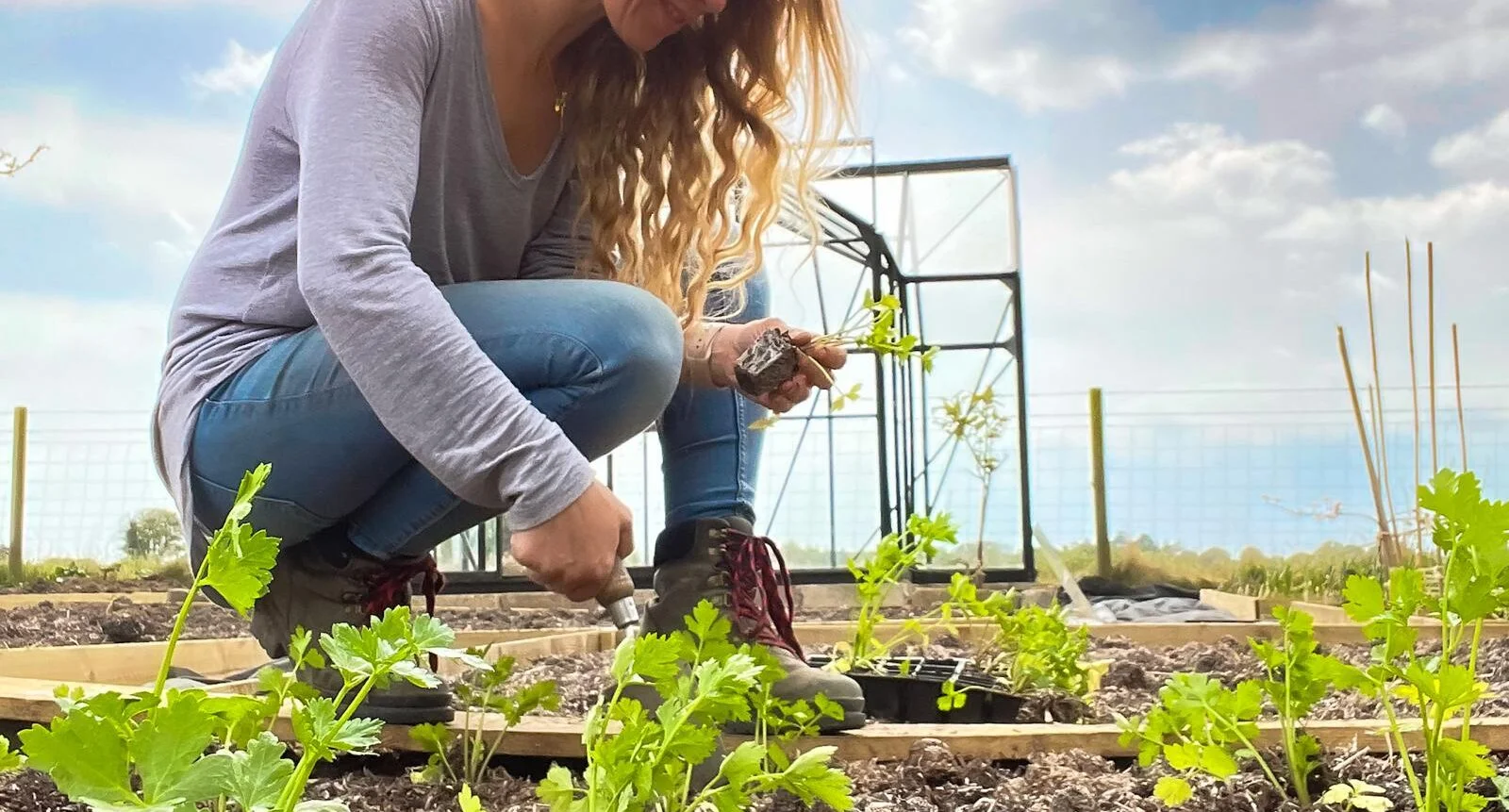
Weak vegetable growth often starts below the surface. Plants may receive plenty of sun and water yet remain small, pale, or slow because the soil cannot provide the structure, nutrients, drainage, or root space they need. Improving soil conditions gives vegetables a stronger foundation and can make future harvests more productive without relying on constant feeding.
Start by Understanding What Your Soil Is Doing
Healthy garden soil needs a useful balance between moisture retention and drainage. Heavy clay may stay wet around roots, while sandy ground can lose water and nutrients too quickly.
Before adding fertilizer, inspect the soil itself. Dig several inches down after watering. Soil that remains sticky and waterlogged may need more organic matter, while soil that dries almost immediately may benefit from compost that improves moisture retention. Broader garden reading ideas can also help gardeners compare different approaches without assuming one method suits every yard.
Watch the Plants for Clues
Leaf color, plant size, and root development can reveal problems. Pale growth may be associated with inadequate nutrition, but damaged roots, poor drainage, cold soil, or inconsistent watering can create similar symptoms.
Pull one struggling plant when practical. A healthy root system usually spreads through the surrounding soil instead of remaining cramped, dark, or soft.
Improve Structure Before Adding More Fertilizer
Compost is often more useful than repeatedly applying concentrated fertilizer to difficult soil. Well-finished compost can improve texture, provide organic matter, and support the soil organisms involved in nutrient cycling.
Work compost into new beds before planting or spread it around established plants as a surface amendment. Gardeners exploring practical outdoor topics may encounter many soil shortcuts, but repeated heavy amendments without understanding the underlying problem can create new imbalances.
| Soil Problem | What You May Notice | Better Response |
|---|---|---|
| Compacted soil | Slow roots, standing water | Add organic matter |
| Fast-draining soil | Wilting soon after watering | Improve moisture retention |
| Poor fertility | Weak or pale growth | Test before major feeding |
| Waterlogged soil | Yellowing, weak roots | Improve drainage |
Test Before Making Major Corrections
A soil test can provide more useful direction than guessing. It may show whether soil pH or nutrient levels need attention, helping you avoid unnecessary products.
Testing matters because more fertilizer isn’t automatically better. Excess nutrients can damage plants, waste money, and move away from the root zone with water. Keeping a simple garden notebook alongside general home resources can make it easier to record amendments, planting dates, and the response of each crop.
Feed According to the Crop
Leafy vegetables, fruiting crops, and root vegetables don’t always respond the same way to feeding. Tomatoes grown with excessive nitrogen, for example, may produce abundant leafy growth without a matching increase in fruit.
Follow fertilizer directions carefully and account for compost, manure, or other amendments already applied.
Common Soil Fixes That Can Backfire
One mistake is changing several things at once. Adding compost, fertilizer, lime, and extra irrigation during the same week makes it difficult to know which adjustment helped or caused a new problem.
Fresh manure can also be troublesome because it may contain excessive salts or nutrients and can damage tender plants. Another common error is digging or walking on saturated soil, which can compress its structure instead of improving it.
Small, measured changes are easier to evaluate.
Frequently Asked Questions
How often should vegetable garden soil be improved?
Adding finished compost once or twice during the growing cycle may be enough for many gardens. The exact schedule depends on soil condition, crop demands, climate, and what amendments were previously used.
Can poor soil make vegetable plants stay small?
Yes. Compaction, poor drainage, inadequate nutrients, unsuitable pH, and limited organic matter can all restrict root development and reduce growth. Watering and pest problems can produce similar effects.
Should I replace all the soil in a weak vegetable bed?
Usually not. Many beds can be improved gradually with compost, better drainage, reduced compaction, and amendments based on testing. Complete replacement is more appropriate when soil has serious contamination or structural problems.
Build Better Soil One Season at a Time
Stronger harvests usually come from improving the conditions around the roots rather than chasing every weak plant with another fertilizer application. Test when necessary, add organic matter thoughtfully, protect the soil from compaction, and watch how crops respond. Treat the soil as a living part of the garden, and each growing season becomes an opportunity to make the next harvest stronger.