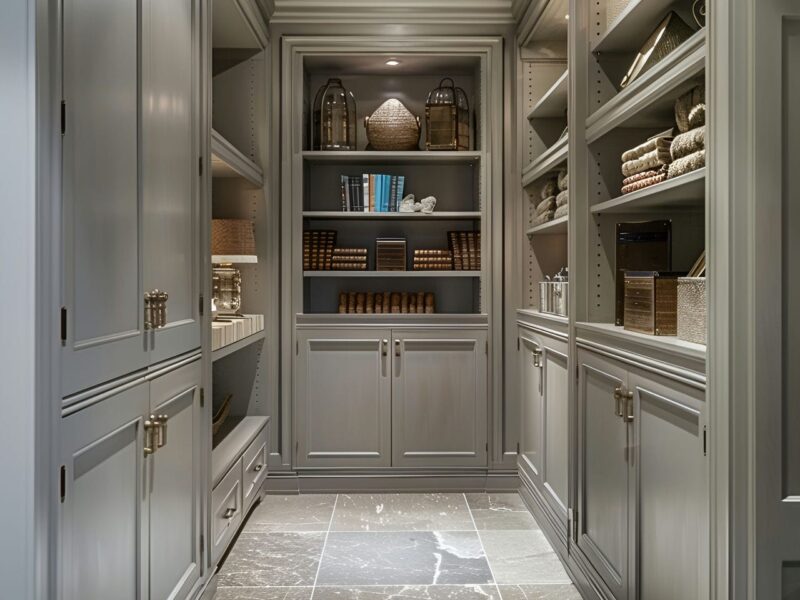
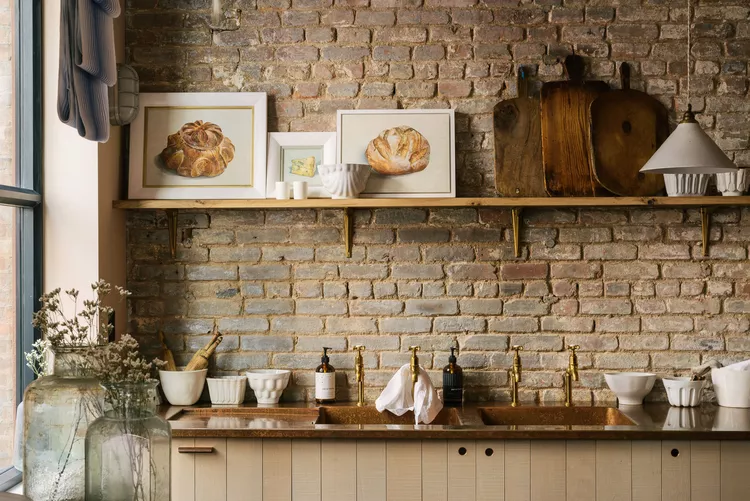
Empty shelves can make a room feel unfinished, but filling every inch usually creates the opposite problem. A well-styled shelf needs breathing room, a few strong objects, and enough variation in height and shape to look intentional. The goal isn’t to eliminate empty space. It’s to make that space feel like part of the arrangement.
Start With Larger Anchor Pieces
Begin with one or two objects that carry visual weight. A framed print, ceramic vase, small sculpture, or stack of substantial books can establish the composition before smaller details are added.
Large objects are especially useful on long shelves because they prevent dozens of tiny accessories from becoming necessary. Ideas from broader interior styling inspiration can also help you notice how professional-looking displays rely on proportion rather than quantity.
Give Important Objects Room
Avoid surrounding every focal piece with smaller decorations. Leaving several inches of open shelf around a distinctive object makes it easier to notice.
This approach also makes inexpensive pieces look more intentional. A simple vase standing alone can have more impact than the same vase squeezed between six unrelated accessories.
Mix Heights Instead of Adding More Items
A shelf often looks sparse because every object is roughly the same height. Adding vertical variation may solve the problem without increasing the number of decorations.
Lean a framed picture behind a shorter object, place a small bowl on stacked books, or pair a tall plant with a low decorative box. Browsing comfortable home ideas can provide useful inspiration for combining practical objects with decorative ones while keeping shelves relaxed.
| Shelf Element | Useful Role | Simple Example |
|---|---|---|
| Tall piece | Adds vertical interest | Vase or frame |
| Low piece | Grounds the display | Bowl or books |
| Natural element | Softens hard edges | Plant or branch |
| Open space | Prevents clutter | Empty shelf area |
Use Natural Materials to Add Warmth
Wood, stone, woven fibers, plants, and handmade ceramics can make a shelf feel fuller because these materials carry visible texture. One textured object often contributes more character than several glossy accessories.
Natural inspiration doesn’t need to stay indoors either. Looking at outdoor living ideas can suggest materials, shapes, and greenery that translate well into interior displays. A small terracotta pot or weathered wooden object can give a shelf warmth without making it busy.
Repeat Materials Across the Shelf
Repetition creates connection. If one shelf includes a light wood frame, another might hold a similarly toned wooden box.
The pieces don’t need to match. Repeating a material, finish, or shape two or three times creates enough visual continuity to make separate objects feel related.
Build Small Groups With Uneven Numbers
Groups of three often work well because the eye can move naturally between different shapes and heights. Try a tall vase, a short stack of books, and a small sculptural object.
Not every shelf needs a group. Alternating between grouped displays and single objects creates a more relaxed rhythm and prevents every level from looking carefully staged.
Where Shelf Styling Often Goes Wrong
The most common mistake is treating every empty section as a space that needs filling. Once decorations extend from one end of the shelf to the other, individual pieces disappear into visual noise.
Another problem is using too many objects of identical scale. Five small ornaments may technically fill a shelf but still feel weak. Replace several of them with one larger piece and leave some open space. The display usually becomes stronger immediately.
Frequently Asked Questions
How many objects should be placed on one shelf?
There isn’t a fixed number. A short shelf may need only one to three objects, while a longer shelf can support several groups. Scale and spacing matter more than quantity.
Should every shelf be decorated differently?
Some variation helps, but repeating colors, materials, or shapes creates continuity. Avoid making every shelf identical or completely unrelated to the others.
Can books be used mainly for decoration?
Yes. Books provide height, color, and horizontal structure. Stack a few beneath a smaller object or place them upright beside a decorative piece while keeping the arrangement practical.
Let the Empty Space Work
A shelf doesn’t need to look packed to feel complete. Start with strong anchor pieces, introduce different heights and textures, then remove anything that competes for attention. The final test is simple: step across the room and look again. If each object has room to register while the shelves still feel connected, the empty areas are doing useful design work.