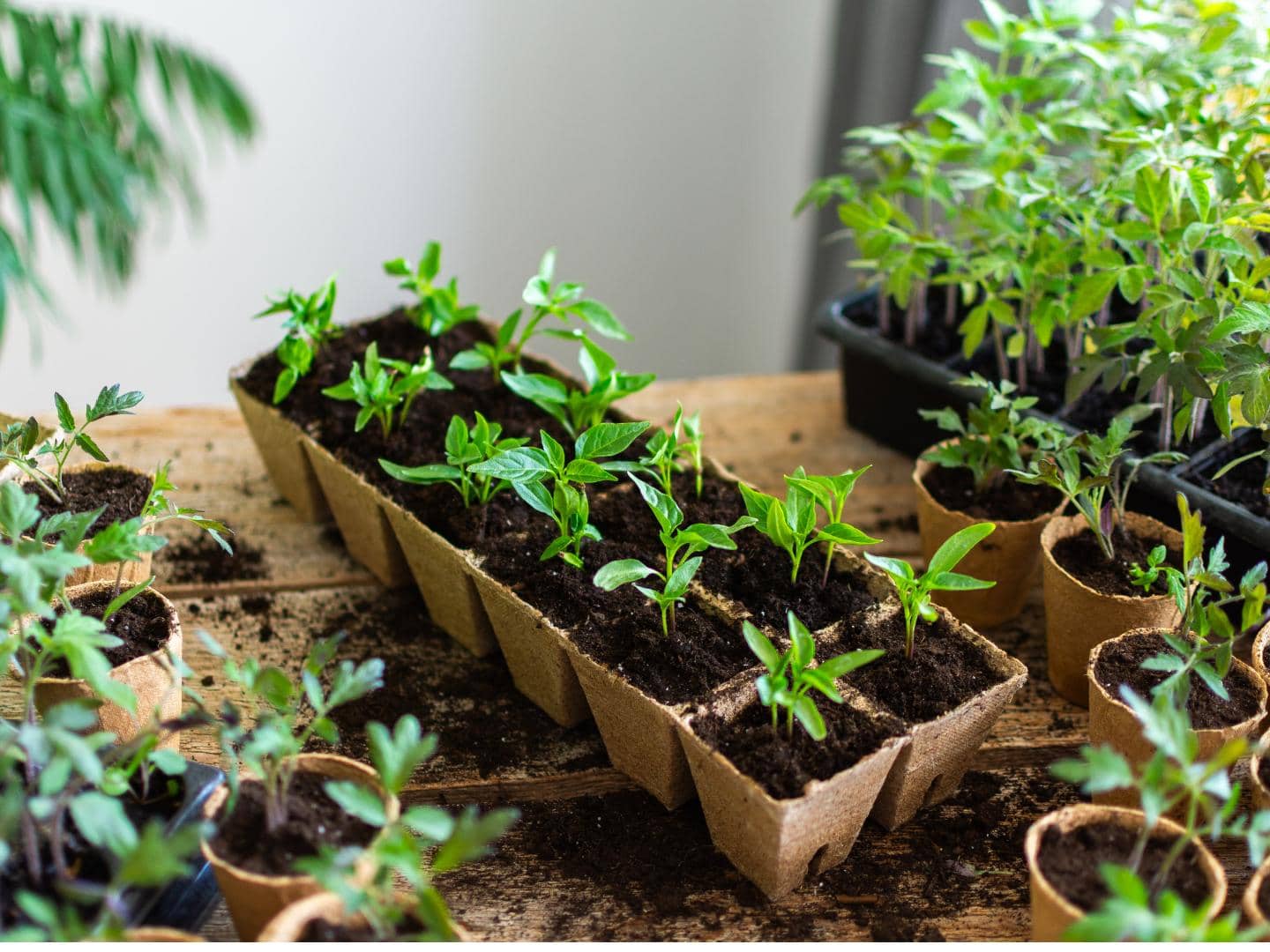
Weak seedlings usually point to an environmental problem before they point to a fertilizer problem. Thin stems, pale leaves, slow growth, or plants that keep leaning often improve once light, watering, temperature, and airflow are corrected. The best response is to identify the visible pattern first, then change one or two conditions instead of adding products blindly.
Read the Seedling Before Changing Anything
Different symptoms call for different fixes. A tall seedling with a fragile stem often needs stronger light, while a small plant sitting in constantly wet mix may be struggling around its roots.
| Seedling Change | Likely Issue | First Check |
|---|---|---|
| Long, thin stem | Too little light | Light strength and distance |
| Drooping leaves | Water imbalance | Moisture below surface |
| Little new growth | Cool conditions | Growing-area temperature |
| Green growth on soil | Excess moisture | Drainage and airflow |
Checking the pattern prevents the common mistake of treating every weak plant the same way.
Give Seedlings Enough Usable Light
Seedlings growing toward a window are telling you something. Light from across a room may look bright to your eyes while still being too weak for compact plant growth.
Move trays to the strongest suitable location or adjust grow lights according to the manufacturer’s instructions. Rotate window-grown trays so one side doesn’t continually stretch toward the light.
People often compare gardening advice with general web reading, but the plant’s response should guide the next adjustment. If stems begin growing thicker and new leaves remain closer together, the change is probably helping.
Correct Watering Without Keeping Roots Soaked
Small containers can switch from damp to dry quickly, which encourages people to water on a fixed schedule. That approach often creates trouble because temperature, container size, airflow, and plant growth all change how quickly moisture is used.
Check the growing mix before watering. It should generally stay appropriately moist for the plant without remaining waterlogged. Drainage holes must stay open so excess water can escape.
While browsing independent online commentary, remember that watering frequency from another person’s setup may not match yours. The condition of your own growing mix is a better signal than the calendar.
Keep Warmth and Airflow in Balance
Many seedlings slow down when their growing area stays cooler than the conditions their species prefers. Moving a tray away from a cold window or draft can sometimes make a noticeable difference without changing anything else.
Air movement matters too. Stagnant, constantly damp conditions can encourage surface mold and leave stems less accustomed to movement. Gentle airflow is useful, but a strong fan aimed directly at tiny seedlings can dry them too quickly.
A good troubleshooting habit is to compare several everyday reference resources without turning every suggestion into another treatment. Make one sensible adjustment, watch the new growth, and then decide whether another change is necessary.
Use a Simple Recovery Sequence
Trying five fixes at once makes it hard to know what worked. A more useful approach is:
- Move stretched plants toward stronger appropriate light.
- Check moisture before adding more water.
- Reduce exposure to cold drafts or excessive heat.
- Improve gentle airflow around crowded trays.
Give the seedlings time to respond. Existing stretched stems will not shrink back into compact growth, so judge recovery mainly by the condition of new leaves and stems.
If seedlings are tightly crowded, thinning or moving them into suitable containers may also reduce competition. Handle delicate roots carefully rather than repeatedly pulling plants in and out of the growing mix.
Mistakes That Can Keep Seedlings Weak
One common mistake is reaching for fertilizer as soon as growth looks poor. Extra nutrients cannot compensate for inadequate light, chronically wet roots, or an unsuitable growing temperature, and excessive fertilizer may create another problem.
Another mistake is changing conditions every day. Seedlings need consistency. If you repeatedly move the tray, alter watering, change lighting, and add products, you lose the ability to identify the original cause.
Frequently Asked Questions
Can weak seedlings become strong again?
Many can produce healthier new growth after their growing conditions improve. Severely damaged seedlings may recover slowly, so watch the strength, color, and spacing of new leaves rather than expecting old stretched growth to change.
Why are my seedlings tall and skinny?
Tall, thin growth commonly develops when seedlings stretch toward inadequate light. Improving appropriate light exposure early can encourage shorter spacing between leaves and sturdier future growth.
Should I fertilize slow-growing seedlings?
Not automatically. First check light, moisture, drainage, warmth, crowding, and the needs of the specific plant. Fertilizer is useful only when nutrients are actually needed and should be applied according to appropriate product directions.
Build Strength Through Better Conditions
Weak seedling growth is easier to correct when you respond to the plant instead of guessing. Start with light, then check moisture, warmth, airflow, and available growing space. Make changes gradually and judge them by the quality of new growth. A stable environment usually teaches you more about the problem than adding another product to the tray.