
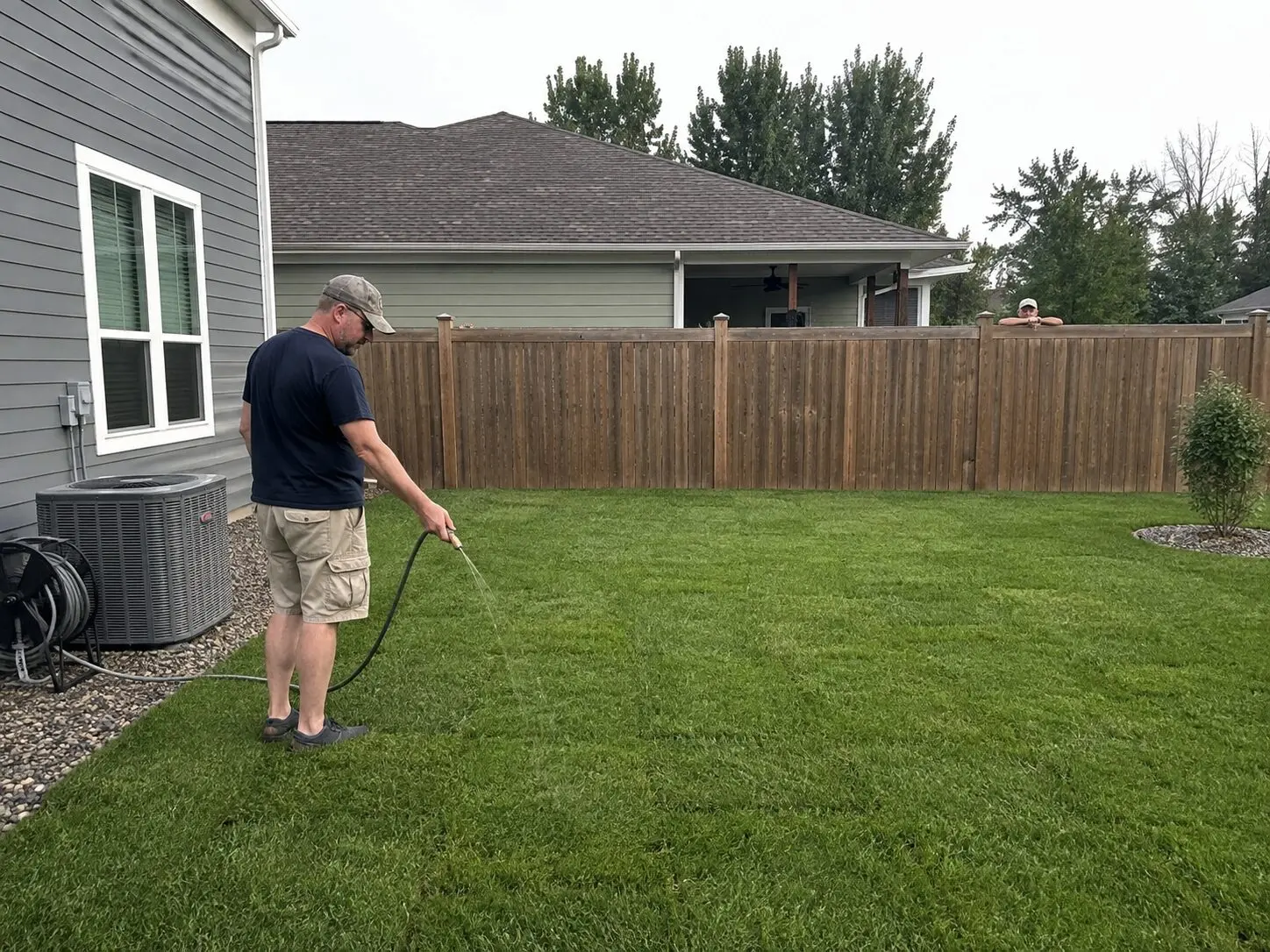
A lawn that looks pale, yellow-green, or dull usually needs more than a quick dose of fertilizer. Weak lawn color can develop when grass receives uneven water, lacks available nutrients, grows in compacted soil, or struggles with mowing and seasonal stress. The smartest fix starts with finding the pattern rather than feeding the entire yard blindly.
Why Does Grass Lose Its Rich Green Color?
Grass needs usable nutrients, moisture, oxygen around its roots, and enough healthy leaf surface to maintain strong color. When one part of that system slips, the lawn may fade before more obvious damage appears.
Color also gives useful clues. A uniformly pale lawn often points toward broad maintenance or feeding issues, while scattered yellow areas may suggest irrigation problems, compacted soil, pet damage, shade, or localized stress.
People researching lawn problems often move among publishing resources, gardening discussions, and product pages. Those references can inspire questions, but the actual condition of the soil and grass should guide what you do next.
Improve Watering Before Adding More Fertilizer
Weak color is sometimes treated as a feeding problem when poor watering is the bigger issue. Frequent light watering can wet the surface without encouraging roots to grow deeper, leaving turf vulnerable when temperatures rise.
Check whether sprinklers are reaching the full lawn evenly. Dry edges, areas behind obstacles, or sections covered by misaligned sprinkler heads may gradually lose color even when the irrigation system runs regularly.
A simple container test can help reveal uneven coverage. Place several identical shallow containers around a watering zone and compare how much water each one collects.
Readers comparing home-care approaches may also encounter personal writing spaces where everyday experiences are discussed. Lawn decisions, though, work better when they are based on observable conditions rather than one person’s routine.
Feed the Lawn According to What It Needs
Nitrogen is closely connected with leaf growth and green color, but adding more isn’t automatically better. Excessive fertilizer can encourage weak growth, increase mowing demands, and contribute to lawn damage if it is applied incorrectly.
Soil testing gives you a stronger starting point when the cause isn’t obvious. It may show nutrient or soil-condition issues that won’t be fixed simply by buying a stronger lawn fertilizer.
| Lawn Clue | Possible Issue | Better First Check |
|---|---|---|
| Overall pale color | Feeding deficiency | Soil condition |
| Dry yellow patches | Uneven irrigation | Sprinkler coverage |
| Thin shaded grass | Low light | Sun exposure |
| Weak compacted areas | Root stress | Soil firmness |
Mowing Habits Can Affect Lawn Color
Cutting grass too short removes much of the leaf area it uses for growth. Scalping can also expose soil to more heat and leave the lawn looking faded even if watering and feeding are reasonable.
Keep mower blades sharp. Dull blades tear grass instead of cutting it cleanly, creating pale or ragged tips that can make the whole lawn appear less healthy.
General maintenance ideas from a daily reading resource can broaden your research, but mowing height should ultimately match the grass species and growing conditions in your own yard.
What Lawn Owners Often Get Wrong
One common mistake is assuming darker green always means healthier grass. Heavy fertilization may create fast, lush top growth while the root system remains poorly prepared for heat, drought, or other stress.
Another mistake is correcting every yellow patch in the same way. A dry sprinkler zone, shaded corner, compacted walkway edge, and fertilizer deficiency can look similar from several feet away. Treating the cause is more effective than treating the color alone.
Frequently Asked Questions
Why is my lawn light green even after fertilizing?
The problem may involve watering, soil conditions, root stress, mowing, shade, or nutrient availability rather than the amount of fertilizer alone. Check the broader growing conditions before adding another application.
Can overwatering make grass turn yellow?
Yes. Persistently wet soil can reduce oxygen around grass roots and contribute to poor growth or yellowing. Drainage, watering frequency, soil type, and weather all influence how quickly an area dries.
How quickly can weak lawn color improve?
Improvement depends on the cause and the grass’s active growing season. Correcting irrigation may produce visible changes relatively soon, while recovery from compaction, root damage, or poor soil conditions may take longer.
Build Better Color From the Roots Up
Treat weak lawn color as a clue, not a diagnosis. Check watering coverage, mowing practices, soil condition, sunlight, and feeding before choosing a correction. A lawn supported by stronger roots and consistent care usually holds its color more reliably than one repeatedly pushed with extra fertilizer.