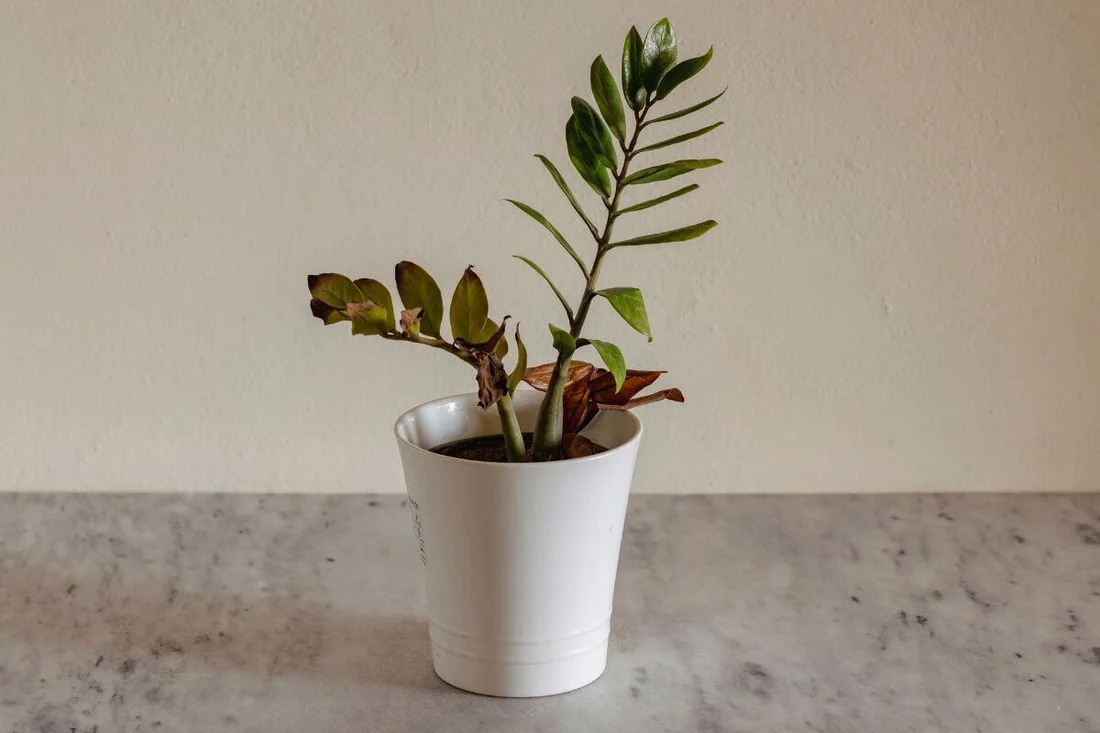
Dry leaves and drooping stems can make an indoor plant look desperate for water, but pouring more into the pot isn’t always the answer. Improving watering means checking what the plant and soil are actually telling you before reaching for the watering can.
A better routine balances moisture, drainage, light, temperature, and the plant’s natural growth pattern.
Why Do Indoor Plants Keep Drying Out?
Indoor plants lose moisture through their leaves while water also evaporates from the potting mix. Bright windows, heating vents, air conditioning, small containers, and fast-draining soil can make this happen faster than expected.
The opposite problem is possible too. Soil may appear dry on top while remaining damp deeper inside. Watering based only on surface appearance can slowly create overly wet roots.
Check Below the Surface
Push a finger about an inch or two into the soil when the plant type allows it. If the deeper mix still feels damp, waiting another day may be better than automatically watering.
Pot weight can also become a useful clue. After several watering cycles, you’ll begin recognizing how much lighter the container feels when the soil is approaching dryness.
Build a Watering Routine Around the Plant
Fixed schedules such as “water every Sunday” are convenient, but plant needs change. Longer summer days may dry soil quickly, while slower winter growth can leave the same pot damp much longer.
People researching plant care may move between search results, plant care references, gardening books, and their own observations. Whatever information you use, the condition of the individual plant should remain the deciding factor.
Water thoroughly when watering is appropriate. Apply enough moisture for water to reach the lower root zone rather than repeatedly wetting only the top layer.
Improve Drainage Before Adding More Water
Drainage holes matter because excess moisture needs somewhere to escape. A decorative container without drainage can hold water around roots even while the surface begins looking dry.
Research habits vary too. Someone may compare notes from home gardening discussions with information from local nurseries or plant-care manuals before changing a routine.
| What You Notice | Possible Issue | Useful Response |
|---|---|---|
| Dry soil throughout | Plant needs water | Water thoroughly |
| Damp soil with drooping leaves | Excess moisture possible | Allow more drying |
| Crispy leaf edges | Dry air or inconsistent watering | Check moisture pattern |
| Water sitting in saucer | Poor drainage habit | Empty excess water |
Never leave ordinary houseplants standing in a water-filled saucer for long periods unless the species specifically benefits from that setup.
Adjust the Environment Around the Plant
Watering problems aren’t always caused by watering technique. A plant beside a radiator or strong HVAC vent may lose moisture unusually quickly, while one moved into a darker corner may suddenly use less water.
Humidity can also influence leaf appearance. Tropical plants may develop dry-looking edges in heated indoor air even when their root zone contains enough moisture.
Broader research may include practical growing guides alongside plant labels and specialist references. Use those ideas as starting points rather than replacing direct observation.
Grouping humidity-loving plants or moving sensitive plants away from strong drafts can sometimes improve conditions without increasing watering frequency.
Why More Water Can Make Dry-Looking Plants Worse
One easy mistake is assuming every wilted or brown leaf means thirst. Damaged roots from persistently wet soil may struggle to supply the leaves properly, creating symptoms that look surprisingly similar to underwatering.
Repeatedly adding water can therefore make the original problem harder to correct. Look at soil moisture, drainage, root condition, and recent watering history together.
Yellowing lower leaves, consistently wet soil, unpleasant odors, or soft stems deserve particular attention because they may point toward excessive moisture rather than dryness.
Frequently Asked Questions
How often should indoor plants be watered?
There isn’t one correct schedule for every houseplant. Check soil moisture and consider the plant species, container size, light level, temperature, season, and drainage before deciding whether watering is needed.
Should I water a plant when only the top soil is dry?
Not automatically. The surface can dry much faster than the root zone. Checking slightly deeper into the pot helps determine whether the plant actually needs additional moisture.
Is bottom watering better than top watering?
Both methods can work. Bottom watering can encourage even moisture absorption, while careful top watering helps flush the soil. The important part is preventing the plant from remaining continuously waterlogged.
Let the Soil Guide the Next Watering
Healthy watering is less about following a calendar and more about responding to changing conditions. Check deeper soil moisture, make sure drainage works, and consider light and temperature before adding water.
Once you learn how quickly each container dries, caring for indoor plants becomes far more predictable. Water when the root zone needs it, then give the soil enough time to breathe before repeating the cycle.