
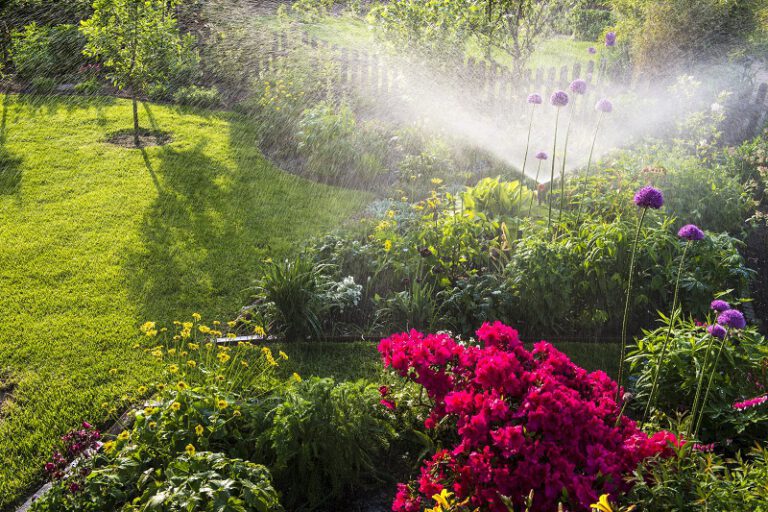
Overwatered garden plants often show yellow leaves, weak growth, soft stems, or soil that stays wet long after watering. The fastest way to prevent root damage and rot is to stop adding water automatically, check the soil below the surface, and improve drainage so roots can receive oxygen again.
Why Too Much Water Damages Healthy Roots
Plant roots need both moisture and air. When soil pores remain filled with water for long periods, oxygen becomes limited, and roots may struggle to function normally.
The confusing part is that an overwatered plant can sometimes look thirsty. Leaves may wilt because damaged or stressed roots aren’t moving water efficiently. Adding another round of water can make the problem worse.
Heavy clay soil, containers without drainage holes, compacted beds, and frequent irrigation can all keep the root zone wetter than expected.
Check the Soil Before Watering Again
Don’t judge moisture only by looking at the surface. Push a finger several inches into the soil near smaller plants, or carefully use a trowel beside larger plants to inspect the root-zone moisture.
Gardeners who regularly browse seasonal home reading may encounter fixed watering schedules, but weather and soil conditions matter more than the calendar. A bed that needs frequent water during a hot week may require almost none after several cool, cloudy days.
Pay Attention to Weight and Texture
Container plants are especially easy to check by weight. A freshly watered pot feels noticeably heavier than the same container after much of the available moisture has been used.
Soil should usually feel moist rather than swampy. Standing water, a sour smell, or consistently muddy soil deserves attention.
Improve Drainage Around the Root Zone
Drainage problems need to be corrected before changing fertilizers or adding plant treatments. For containers, confirm that drainage holes are open and that water can leave freely.
In garden beds, gently loosening compacted surrounding soil may help, but avoid aggressively digging through established roots. Discussions within practical lifestyle coverage can offer useful organization ideas, yet drainage fixes should always match the plant, soil type, and planting location.
| What You Notice | Likely Problem | Useful Response |
|---|---|---|
| Soil stays muddy | Poor drainage | Improve water movement |
| Yellowing leaves | Root stress possible | Reduce watering |
| Pot holds water | Blocked drainage | Clear drainage holes |
| Surface dry, soil wet | Misleading appearance | Check deeper first |
Don’t Automatically Add More Soil
Piling new soil around a plant’s crown doesn’t necessarily solve poor drainage. In some cases, it can bury stems too deeply and create another moisture problem.
Fix where the excess water is going instead.
Give Stressed Plants a Chance to Recover
Once excessive moisture is identified, allow the soil to dry toward the normal range preferred by that plant. Don’t try to compensate with strong fertilizer while roots are stressed.
A practical recovery process is:
- Pause routine watering.
- Confirm that excess water can drain.
- Remove standing water around containers.
- Trim clearly dead or badly rotted material when appropriate.
- Resume watering only when the root zone actually needs moisture.
General broader home advice can help generate ideas, but plant recovery isn’t instant. Some healthy plants need time to produce new roots and foliage after prolonged stress.
Mistakes That Can Make Overwatering Worse
The biggest mistake is treating every wilted leaf as proof that a plant needs water. Heat stress, transplant shock, damaged roots, pests, and excessive moisture can create similar-looking symptoms.
Another problem is watering every plant on the same schedule. A sunny raised bed, shaded border, hanging basket, and large ceramic container can dry at completely different rates. Check conditions first rather than watering because a certain number of days have passed.
Frequently Asked Questions
Can an overwatered plant recover?
Many plants can recover when excessive watering is corrected before serious root damage develops. Recovery depends on the plant species, drainage, duration of waterlogging, root condition, and whether healthy roots remain.
Should I repot an overwatered container plant?
Repotting can help when drainage is poor, soil remains saturated, or obvious root rot is present. Handle stressed roots carefully and use a container and growing medium suited to the plant’s drainage needs.
How can I tell if soil is still too wet?
Check below the surface rather than relying on appearance. Damp, cool soil several inches down may mean watering can wait, while persistently muddy soil or standing water suggests drainage needs attention.
Let the Soil Guide Your Watering
Preventing root damage starts with replacing automatic watering habits with observation. Check moisture where the roots are, correct drainage problems, and give stressed plants time to respond before making additional changes. A garden usually performs better when watering follows actual soil conditions rather than a rigid schedule.