
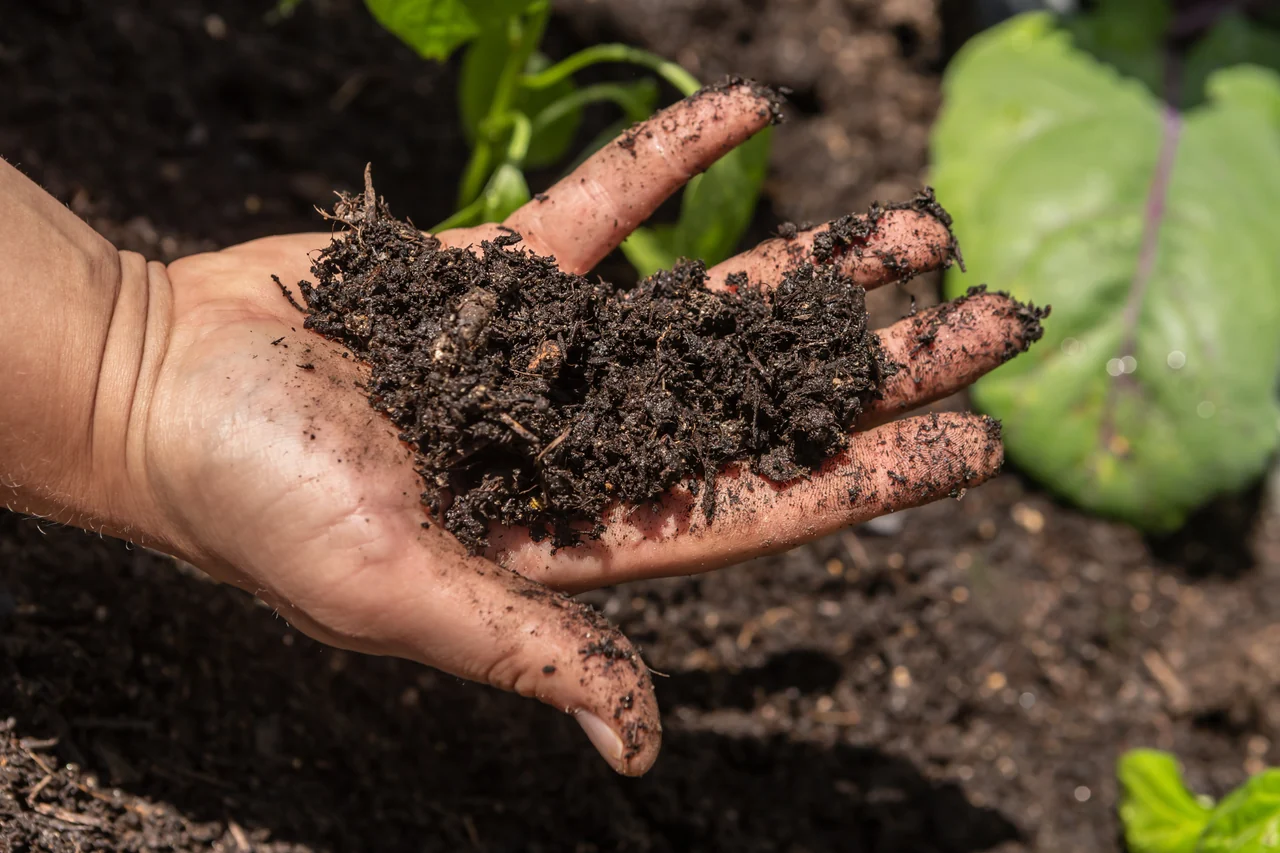
Compost should become dark, crumbly, earthy material rather than a wet pile, dry heap, or mass of half-finished scraps. Weak compost quality usually points to an imbalance in ingredients, moisture, airflow, or pile size.
The fix often isn’t adding more products. It’s understanding what the pile is missing and correcting that condition.
Start With the Balance Between Greens and Browns
Compost depends on a mixture of nitrogen-rich “greens” and carbon-rich “browns.” Greens include vegetable scraps, coffee grounds, fresh grass clippings, and soft garden material. Browns include dry leaves, shredded cardboard, untreated paper, and small dry twigs.
A pile overloaded with greens can become dense and smelly. Too many browns can leave compost dry and slow to break down. Gardeners reading different practical idea sources may encounter complicated formulas, but careful observation is often more useful than chasing a perfect ratio.
Add Materials in Smaller Layers
Instead of dumping a large bag of grass clippings into one spot, mix fresh material throughout the pile. Breaking up dense ingredients helps air reach more surfaces.
Shredding cardboard, chopping plant stems, and cutting larger kitchen scraps can also increase the surface area available for decomposition.
Check Moisture Before Adding More Ingredients
A compost pile needs moisture, but soaking it rarely speeds the process. Material should generally feel damp throughout rather than dripping when squeezed.
Dry piles can be lightly watered while turning. Wet piles often improve after adding dry leaves, shredded cardboard, or other absorbent carbon-rich material.
People browsing everyday informational content may find many compost shortcuts, yet moisture is one condition worth checking before assuming the pile needs fertilizer or special additives.
| Pile Condition | Likely Issue | Practical Adjustment |
|---|---|---|
| Strong unpleasant odor | Too wet or dense | Add browns and turn |
| Material stays unchanged | Too dry or inactive | Add moisture and greens |
| Slimy grass layers | Poor airflow | Break apart and mix |
| Dry outer edges | Uneven moisture | Turn and lightly water |
Give the Pile Enough Air
Decomposition slows when compost becomes tightly packed. Turning the pile periodically redistributes moisture and introduces oxygen into areas that may have become compressed.
You don’t need to turn it constantly. A garden fork can loosen compacted sections while keeping the process manageable.
Broader online reading collections can provide endless gardening ideas, but the condition inside your own compost pile should guide adjustments. If the center is moist and actively breaking down while only the edges remain dry, a full rebuild may be unnecessary.
Why Adding More Greens Can Backfire
One common mistake is assuming slow compost always needs more nitrogen-rich material. Adding repeated layers of food scraps or fresh grass can create the opposite problem.
Dense wet material may restrict airflow and produce unpleasant odors. Correcting compost is usually about balance rather than continually feeding the pile. Sometimes the better move is adding dry browns, loosening compacted areas, and allowing existing material time to break down.
Build Compost Around Consistent Conditions
Pile size also matters. A tiny scattered pile may struggle to hold moisture, while a huge compacted heap can develop poorly aerated areas.
Choose a manageable location where you can reach the pile easily. Keep larger woody material reasonably small, mix wet and dry ingredients, and observe how conditions change after rain or hot weather.
A finished section can be screened if you want finer compost for containers or garden beds. Larger unfinished pieces can simply return to the active pile.
Frequently Asked Questions
Why does my compost smell bad?
Strong odors commonly develop when compost becomes too wet, compressed, or overloaded with nitrogen-rich material. Mixing in dry leaves or shredded cardboard and improving airflow can often correct the conditions.
Can I put cardboard in compost?
Plain, untreated cardboard can be useful as a carbon-rich brown material. Shredding it into smaller pieces helps it mix with wetter ingredients and break down more efficiently.
Why isn’t my compost getting smaller?
Slow decomposition can result from dryness, cold conditions, oversized materials, poor ingredient balance, or limited biological activity. Check moisture and material variety before repeatedly adding new scraps.
Improve the Conditions, Not Just the Ingredients
Better compost comes from managing the whole pile rather than searching for one magic ingredient. Keep greens and browns mixed, maintain moderate moisture, provide airflow, and give decomposition enough time.
When weak compost quality appears, inspect the pile before adding anything. A small adjustment to moisture, carbon-rich material, or aeration can often put the process back on track.