A wardrobe can hold plenty of clothes and still feel strangely incomplete. Missing outfit basics often create that problem because everyday combinations depend on simple, repeatable pieces more than eye-catching trends. Filling those gaps first makes dressing faster, reduces unnecessary purchases, and gives trend-driven items something practical to work with.
Find the Pieces Your Outfits Keep Needing
Start by noticing where outfits repeatedly break down. You may own several statement tops but lack neutral pants, or have plenty of jeans without enough simple shirts that work across seasons.
The most useful basics depend on your routine. Someone working in a casual office may need clean trousers, layering tops, and versatile shoes, while a mostly at-home schedule may call for comfortable separates that still look presentable.
Track Repeated Outfit Problems
For one week, pay attention whenever you change clothes because something doesn’t work. That small frustration often reveals a genuine wardrobe gap better than browsing a shopping feed.
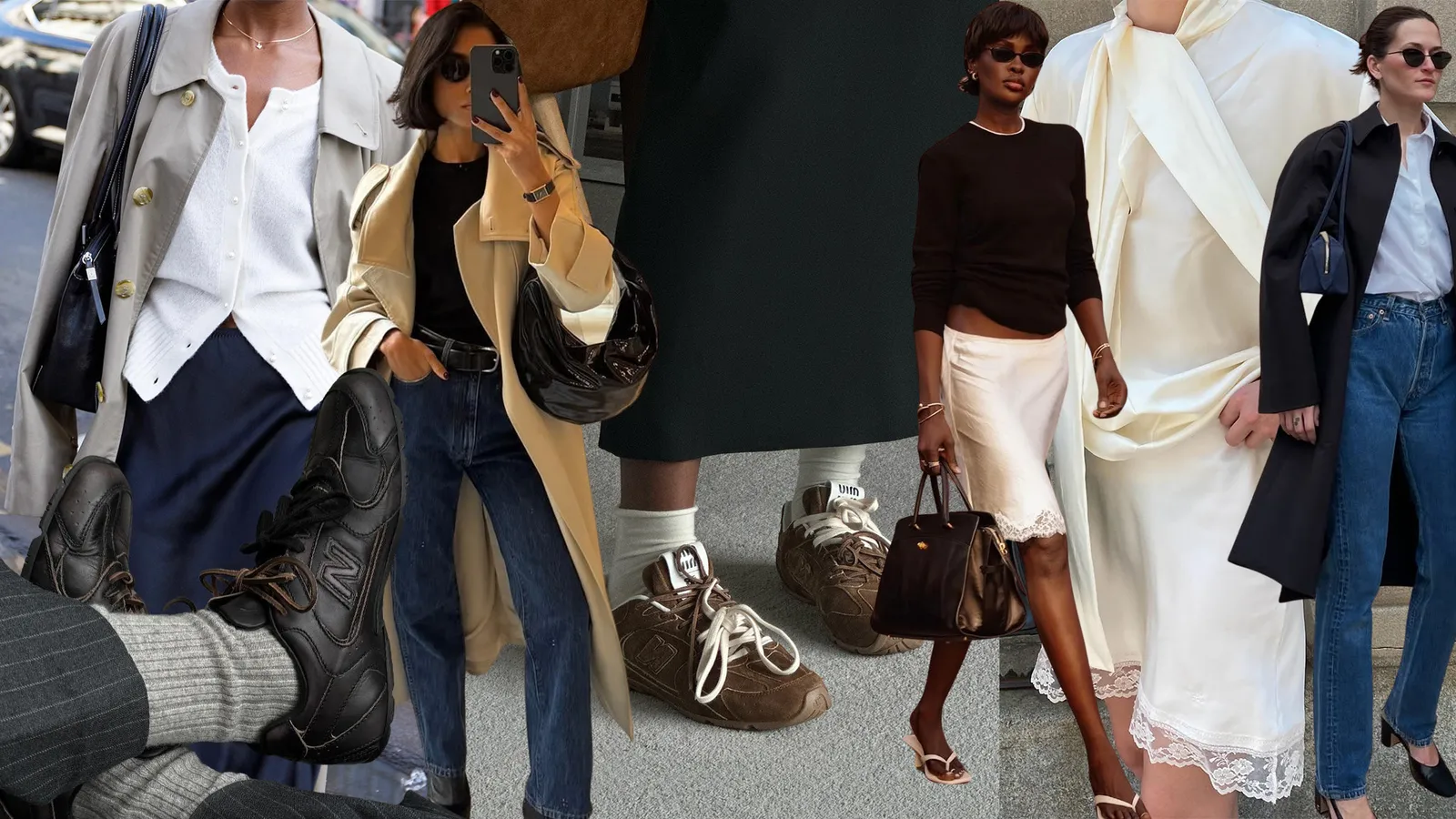
A broader look at everyday style inspiration can also help you notice which foundational pieces repeatedly appear in wearable outfits without treating every trend as essential.
Build Around Neutral, Repeatable Pieces
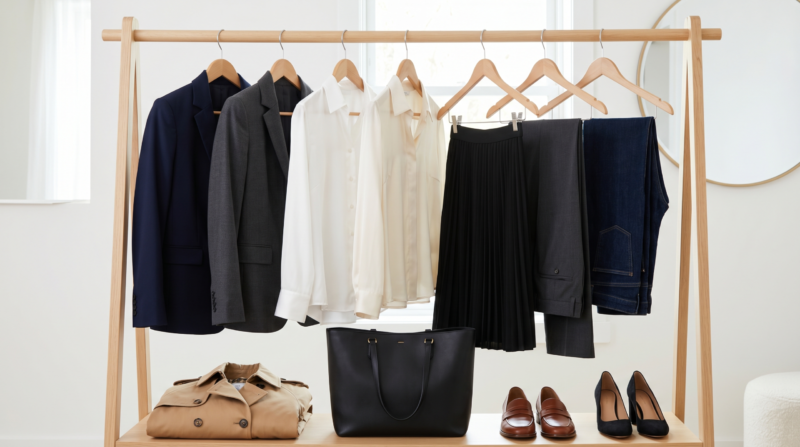
Basics earn their place because they combine easily. Neutral tees, straight-leg trousers, simple knitwear, dependable denim, and a comfortable jacket can support dozens of combinations.
Choose colors that already connect with what you own. Buying a beige jacket makes little sense if nearly every existing outfit works better with black, navy, gray, or another shade you actually wear.
| Wardrobe Gap | Useful Basic | Why It Helps |
|---|---|---|
| Few easy tops | Neutral T-shirt | Works with many bottoms |
| Limited layering | Simple cardigan | Adds warmth without bulk |
| Hard-to-match bottoms | Solid trousers | Creates cleaner outfits |
| Weak shoe options | Plain casual shoes | Fits multiple looks |
Shop for Function Before Novelty
A useful purchase should solve a real problem. Before buying anything, ask whether the item completes at least three outfits you can already picture using existing clothes.
Browsing polished wardrobe ideas may give you new combinations to consider, but the goal is still to identify practical additions rather than reproduce every look you see.
Trend pieces become easier to wear once the foundation is strong. A bold blouse, unusual jacket, or seasonal color can fit naturally when your closet already contains dependable pieces underneath it.
Avoid Buying Basics You Never Actually Wear
The word “basic” doesn’t mean universally necessary. A crisp white button-down is often recommended, yet it offers little value if you dislike collars, rarely dress formally, or constantly avoid white clothing.
Look beyond generic wardrobe checklists. Your basics should reflect your climate, work environment, comfort preferences, and laundry habits.
A collection of modern outfit references can be useful for observing different approaches, but repeated personal use matters more than any standard list.
Where Basic-Buying Goes Wrong
One common mistake is buying several versions of the same missing piece before testing whether the first one works. If you think you need black trousers, start with one dependable pair instead of purchasing four cuts immediately.
Another problem is choosing basics only because they’re inexpensive. A low-cost item that twists after washing, feels uncomfortable, or never fits correctly isn’t filling a gap. It is adding another piece you’ll avoid.
Frequently Asked Questions
How many wardrobe basics do I really need?
There is no fixed number. Focus on having enough simple pieces to support your normal weekly activities and laundry routine. A smaller collection of frequently worn basics is usually more useful than a long checklist of rarely used items.
Should wardrobe basics always be neutral colors?
No. Neutral colors are easy to combine, but a signature shade can function as a basic if you wear it often and it coordinates with multiple items already in your closet.
Should I replace old basics before buying new trends?
If worn-out basics are making everyday outfits difficult, replacing them first usually provides more immediate value. Trend items become easier to style once dependable foundation pieces are available.
Make Every Purchase Solve a Real Gap
The strongest wardrobe isn’t the one with the most fashionable pieces. It’s the one that supports your actual life with fewer dead ends. Identify what your outfits repeatedly need, fill those gaps carefully, and give each new purchase a clear job before seasonal trends influence your shopping decisions.