Uneven shoe wear can reveal how a pair fits, where your foot places pressure, and how your walking pattern loads the sole. A worn heel or thinning edge isn’t automatically a problem, but a strong difference between shoes or rapid wear deserves attention.
Checking the sole regularly can help you decide whether the issue comes from the shoe, your daily activities, or a movement pattern worth investigating.
Start by Reading the Wear Pattern
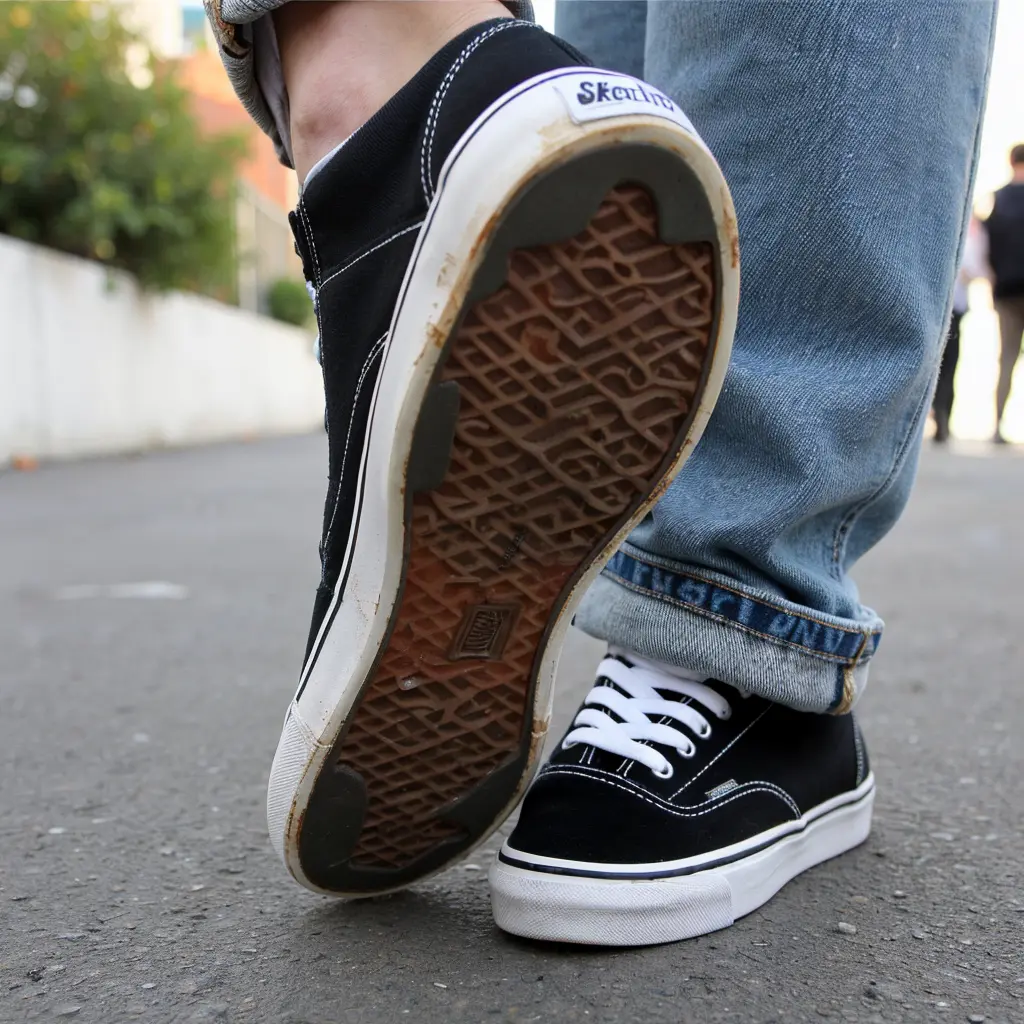
Turn both shoes over and compare them side by side. Look at the heels, forefoot, outer edges, and tread depth rather than focusing on one worn spot.
Some heel wear is expected because many people contact the ground with the rear portion of the shoe first. The bigger concern is a pronounced difference between the left and right shoes or wear that becomes severe after relatively little use.
Compare Both Shoes, Not One
A single sole doesn’t give much context. Comparing the pair makes asymmetry easier to spot.
People sometimes focus on replacement styles or everyday fashion trends before checking the simple evidence already visible on their old footwear. The worn pair can tell you where the next shoe needs better support, space, or durability.
Check Whether the Fit Is Changing Your Step
Shoes that are too loose can let the foot slide, while tight footwear may encourage you to shorten your stride or shift pressure away from uncomfortable areas. Either response can influence where the outsole wears.
Check that your heel stays reasonably secure, your toes have room, and the widest part of your foot aligns with the widest part of the shoe. Fit should feel controlled without squeezing.
| Wear Area | What to Check | Possible Response |
|---|---|---|
| Outer heel | Normal heel contact | Compare both shoes |
| One-sided edge | Fit or walking pattern | Watch for asymmetry |
| Forefoot | Toe-off pressure | Check shoe flexibility |
| One shoe only | Uneven loading | Inspect fit closely |
Think About How and Where You Walk
Daily conditions affect wear more than many people realize. Walking on sloped roads, repeatedly using the same staircase, standing with weight shifted to one side, or carrying a heavy bag can create repetitive loading patterns.
Footwear is also part of a complete outfit, but layered style choices shouldn’t determine whether you keep wearing a shoe whose sole has become noticeably uneven. Function matters once wear starts affecting stability.
Rotate your walking routes when practical and pay attention to whether one environment seems to accelerate the problem.
Know When the Shoe Itself Is the Problem
Not every uneven sole points to your walking mechanics. Outsole compounds can wear differently, and some shoes simply place thicker rubber in certain areas.
A worn or compressed midsole can also change how the shoe sits on the ground. Once the shoe begins leaning noticeably when placed on a flat surface, replacement may make more sense than trying to correct the sole.
Broader wardrobe footwear inspiration can help when choosing another style, but the replacement should still match the activities that caused the original wear.
Don’t Assume Every Worn Edge Means Something Is Wrong
One common mistake is treating any uneven tread as proof of a foot or gait problem. Human walking isn’t perfectly symmetrical, and mild differences can occur without causing discomfort.
The pattern becomes more useful when combined with other clues. Rapid deterioration, pain, repeated ankle rolling, a visible shoe tilt, or the same extreme pattern across several pairs provides more reason to investigate than one slightly worn heel.
Frequently Asked Questions
Is outside heel wear normal on walking shoes?
Some outside heel wear can occur during normal walking because the heel often contacts the ground before weight moves forward. Compare the amount of wear between both shoes and watch whether the pattern becomes unusually severe.
Can the wrong shoe size cause uneven wear?
Poor sizing can contribute by allowing sliding, squeezing the forefoot, or changing how comfortably you move. Check heel security, toe room, width, and whether your foot sits naturally over the shoe’s platform.
Should I replace shoes with uneven soles?
Replacement is sensible when wear has reduced traction, exposed deeper materials, created a noticeable tilt, or made the shoe uncomfortable. Mild cosmetic wear alone doesn’t always mean the pair has reached the end of its useful life.
Use Wear as Useful Feedback
Your old soles can act like a simple record of how the shoes have been used. Compare both sides, check fit, consider the surfaces you walk on, and notice whether discomfort accompanies the pattern.
If uneven shoe wear repeatedly becomes severe across different pairs, consider having your footwear and walking mechanics assessed rather than continually replacing shoes without addressing the underlying pattern.