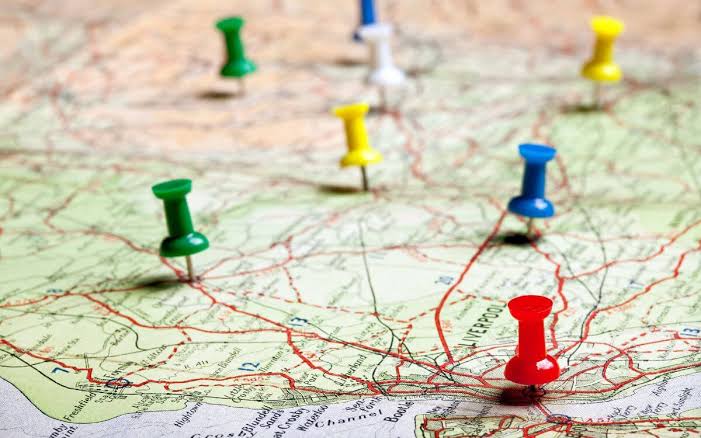
A badly chosen route can quietly add miles, fuel use, and frustration to an otherwise simple trip. Poor route planning often means entering congested roads, making unnecessary detours, or repeatedly stopping in heavy traffic. Better planning helps drivers reduce wasted distance while making daily travel more predictable.
Small route changes can matter more than aggressive fuel-saving tricks because avoiding one long traffic jam may eliminate extended idling and repeated acceleration.
Why Route Choice Affects Driving Efficiency
Distance alone doesn’t determine whether a route is efficient. A slightly longer road with steady traffic can sometimes use less fuel than a shorter route filled with signals, bottlenecks, and stop-and-go driving.
Frequent acceleration requires the engine to repeatedly bring the vehicle back up to speed. Drivers researching broader drivetrain maintenance resources may also benefit from thinking about how driving conditions place different demands on vehicle components.
Look Beyond the Shortest Distance
Navigation apps commonly offer several options. Compare expected travel time, traffic conditions, road type, and known construction rather than selecting the route with the fewest miles automatically.
A highway route that adds two miles might still be preferable when the alternative involves twenty minutes of crawling through downtown traffic.
Check Traffic Before Leaving
Traffic conditions can change quickly around commuting hours, school zones, sporting events, accidents, and road work. Checking conditions shortly before departure gives you a better chance of avoiding developing congestion.
Route planning can become part of the same routine as checking fuel, tires, or practical garage maintenance ideas. A two-minute review before leaving can prevent a much longer delay later.
Leaving ten or fifteen minutes earlier may also open better routing options. Once peak congestion begins, several nearby roads may become crowded at the same time.
Reduce Unnecessary Stops and Detours
Combining several errands into one logical loop prevents repeated trips over the same roads. Instead of returning home between stops, arrange destinations according to location.
| Route Problem | Possible Effect | Better Approach |
|---|---|---|
| Heavy congestion | More idling | Leave earlier |
| Repeated detours | Extra mileage | Group destinations |
| Too many signals | Stop-start driving | Choose steadier roads |
| Wrong turns | Lost time | Review route first |
Planning parking also matters. Searching for an entrance after arriving can add several unnecessary laps around a busy shopping area.
Drivers frequently encounter general car care information while researching efficiency, but route habits deserve attention too because they influence how the vehicle is used every day.
Use Navigation Without Following It Blindly
Navigation systems are useful, but their suggestions aren’t always perfect. Temporary closures, difficult intersections, construction, or unsafe turning opportunities may make another route more sensible.
Learn Your Regular Alternatives
People who drive the same commute regularly should know at least one backup route. That becomes useful when an accident suddenly blocks the normal road.
For unfamiliar trips, review the major roads before departure. Knowing the general direction reduces the temptation to make sudden lane changes when navigation instructions arrive late.
Where Route Planning Can Go Wrong
The biggest mistake is assuming the shortest route always saves the most money. A short road packed with traffic can require more braking, acceleration, and idling than a slightly longer route with steady movement.
Another mistake is constantly changing routes to save one or two minutes. Frequent detours through unfamiliar streets can create missed turns and extra mileage. Use traffic information as guidance, but choose routes that remain practical, predictable, and appropriate for the vehicle.
Frequently Asked Questions
Does driving a shorter route always save fuel?
No. A shorter route with severe congestion and frequent stops may use more fuel than a somewhat longer road where the vehicle maintains a steady speed.
Is highway driving usually more efficient than city traffic?
Steady highway travel can be more efficient than repeated stop-and-go driving, although vehicle type, speed, traffic, weather, and driving habits all affect actual fuel use.
How often should I check my route before commuting?
Checking shortly before departure is useful when traffic conditions regularly change. Daily commuters can also identify one or two dependable backup routes for unexpected congestion.
Make Every Trip More Intentional
Good route planning doesn’t require complicated calculations. Check traffic, combine nearby errands, understand alternative roads, and avoid assuming that fewer miles automatically means a better trip.
A few minutes of preparation can prevent unnecessary distance and reduce time spent sitting in traffic. Build route checking into your normal departure routine, especially before longer trips or peak commuting periods.