
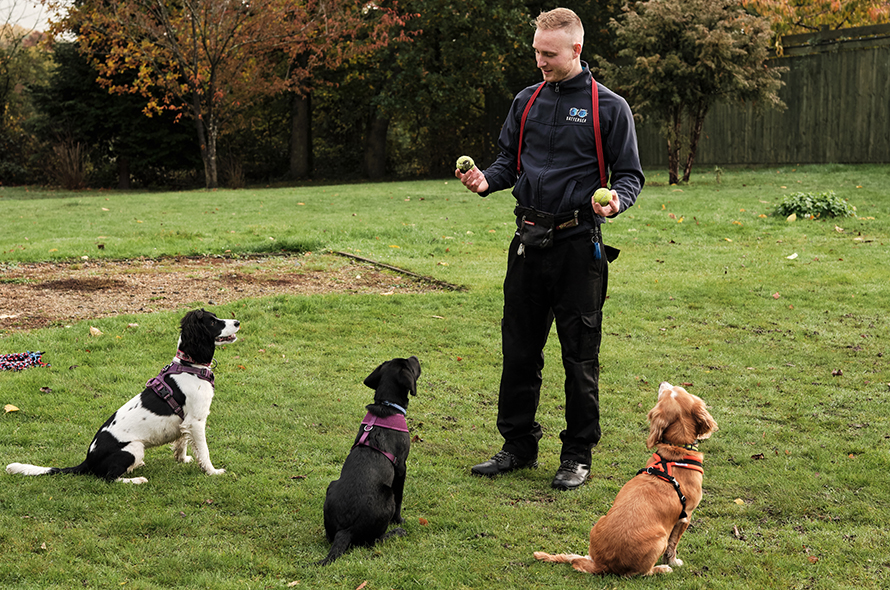
A walk should be the best part of your dog’s day, not a tug-of-war down the sidewalk. If pulling, lunging, or constant distractions have turned walks into a chore, the right training leash can make all the difference. When used correctly, a training leash becomes a powerful communication tool that teaches calm behavior, focus, and trust. It also gives owners clearer control without relying on force, helping dogs learn faster and with less stress.
At Rob’s Dog Training in Phoenix, Arizona, leash training is treated as a foundational skill, not an afterthought. This article explores how a training leash works, how to use it effectively, and why professional guidance can dramatically accelerate results for both dogs and owners. By applying proven techniques used by experienced trainers, owners can turn everyday walks into structured, confidence-building experiences.
Why a Training Leash Is Essential for Real-World Obedience
Many dog owners assume a leash is simply for safety. In reality, a training leash plays a crucial role in shaping behavior. It provides immediate feedback, establishes boundaries, and reinforces desired actions without relying on force.
A properly used training leash helps:
- Reduce pulling and leash reactivity
- Improve focus around distractions
- Create predictable, calm walking patterns
- Build trust between handler and dog
When dogs understand expectations on the leash, they carry that discipline into other areas of life at home, around guests, and in public spaces.
Choosing the Right Training Leash for Your Dog
Selecting the correct training leash is critical. The wrong type can unintentionally reinforce bad habits or reduce control during training.
Look for a leash that:
- Measures between four and six feet for optimal control
- Is made from durable materials like leather or reinforced nylon
- Has a secure, heavy-duty clip
- Feels comfortable and balanced in your hand
Avoid retractable leashes during training. They teach dogs to pull continuously and remove the consistency needed for effective communication.
How to Use a Training Leash the Right Way
Using a training leash effectively is about technique not strength. Calm, consistent handling produces far better results than tension or corrections.
Maintain a Neutral Leash
A neutral leash has slack. Constant tension teaches dogs to ignore pressure. Instead, let the leash remain loose and apply gentle cues only when direction is needed.
Use Movement as a Teaching Tool
If your dog pulls forward, stop and calmly change direction. This teaches that pulling does not lead to progress, while staying attentive does.
Reinforce Calm Engagement
Reward moments when your dog chooses to focus on you. This builds voluntary cooperation instead of forced compliance.
Trainers at Rob’s Dog Training emphasize timing and clarity over repetition, helping dogs learn faster and retain behaviors longer.
Common Training Leash Mistakes to Avoid
Even experienced dog owners can unintentionally slow progress. Some of the most common mistakes include:
- Jerking or snapping the leash, which creates stress
- Talking excessively instead of using clear physical cues
- Allowing pulling “sometimes,” which reinforces inconsistency
- Walking with poor posture, reducing confidence and control
Correcting these habits often leads to noticeable improvement within just a few training sessions.
Training Leash vs. Standard Leash What Sets Them Apart
A standard leash is designed for restraint. A training leash is designed for instruction.
Training leashes provide clearer communication, better feedback, and greater control during learning phases. They encourage dogs to stay mentally engaged rather than simply being physically contained. This distinction is especially important during early training or behavior modification, when consistency and timing directly influence how quickly a dog learns.
When paired with proper technique, a training leash allows owners to guide behavior calmly instead of reacting to problems after they occur. Over time, this proactive approach leads to more reliable obedience and significantly more enjoyable walks.
Training Leash Skills That Work Outside the Home
True leash training doesn’t stop in the backyard. Dogs must learn to respond reliably in real-world environments filled with distractions.
Effective training leash work prepares dogs for:
- Busy sidewalks and intersections
- Encounters with other dogs
- Outdoor dining areas
- High-energy public settings
At Rob’s Dog Training, leash skills are practiced in real Phoenix neighborhoods, helping dogs generalize obedience beyond controlled settings.
Building Trust Through Training Leash Communication
One of the biggest misconceptions about leash training is that it’s about control or dominance. In reality, it’s about clarity and trust.
A well-trained dog on a training leash:
- Feels secure because expectations are consistent
- Understands guidance without confusion
- Develops confidence in new environments
When communication improves, anxiety decreases and behavior naturally improves with it.
When Professional Training Leash Help Is Necessary
Some leash issues require expert intervention. Professional training is strongly recommended if your dog:
- Lunges aggressively toward people or animals
- Displays fear-based reactivity
- Pulls with enough force to cause injury
- Completely ignores leash cues
Working with an experienced trainer prevents these behaviors from becoming deeply ingrained and protects both dog and handler.
Why Rob’s Dog Training Is a Trusted Name in Phoenix
Located at 4204 E Indian School Rd, Phoenix, AZ 85018, Rob’s Dog Training has earned a reputation for results-driven, ethical dog training built on real-world experience.
What makes their approach stand out:
- Decades of hands-on training expertise
- Customized training leash strategies
- Strong emphasis on owner education
- Methods grounded in modern behavioral science
Their training philosophy reflects Google’s EEAT principles by demonstrating genuine experience, professional authority, and consistent, trustworthy outcomes.
Practical Training Leash Tips You Can Apply Today
Before your next walk, try these simple but effective strategies:
- Keep your grip relaxed and confident
- Start training sessions in low-distraction areas
- Practice short, focused walks
- End each session on a positive, calm note
Consistency matters more than intensity. Small improvements compound quickly.
Final Thoughts: The Leash Is a Language
A training leash isn’t about restraining your dog it’s about teaching a shared language. When used correctly, it transforms walks from stressful struggles into calm, enjoyable routines that strengthen your bond.
If you’re ready to experience better walks and clearer communication, learn from professionals who specialize in real-world results.
Visit https://robsdogs.com/ to explore professional training programs or inquire about customized leash training in Phoenix.
Smarter walks start with the right training leash and the right guidance behind it.