
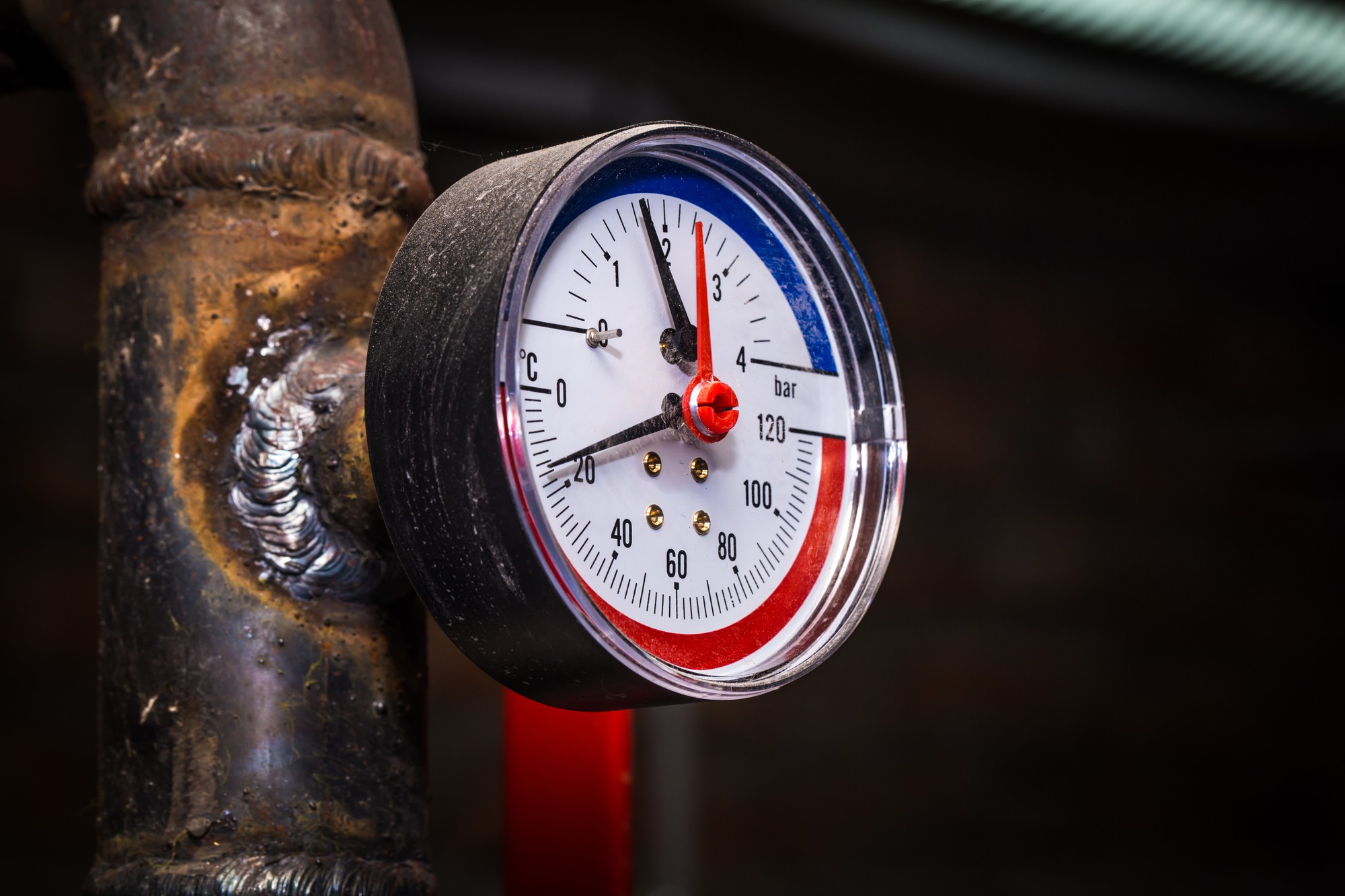
A Gefran pressure transducer is an electronic device. It converts fluid, plastic, or gas pressure into a simple electrical signal. The device is widely used in high-temperature extrusion lines, mobile hydraulics, factory automation, and other industrial applications.
In today’s article, we’ll talk about the technologies used in this product and what the core product categories are. Let’s get started.
Technologies Used in this Transducer
The Gefran pressure transducer has a thick film that resists heavy-duty shocks. It also manages the pressure of industrial hydraulics. Piezoresistive silicon is also used in advanced configurations to get precise measurements. The strain gauge is also common in high-temperature melt applications.
They also feature IMPACT technology that transfers pressure directly through a thick solid steel membrane. This eliminates the need for fluids like mercury or oil.
Core Product Categories
We first have industrial transducers that measure oil and gas pressures up to 1,000+ bar. They also show high immunity to strong vibrations.
Similarly, the high-temperature melt sensors handle extreme media temperatures. They work best for plastic extruders that use fill fluids like mercury.
The third category is fluid-free impact sensors that use a thick mechanical silicone membrane. They are used for high-durability plastic processing of up to 350 degrees Celsius.
Why Gefran Transducers Are Better
First, they have an innovative, fluid-free design that eliminates the need for transmission liquids. This makes them safe for medical uses. They’re also 35 times stronger than traditional sensors. Their core technologies are also diverse, which means they can work in a range of complex scenarios.
They also have stainless steel membranes that handle the heavy oils easily.
Another important factor is their durability in harsh conditions. The specialized melt sensors can measure very high temperatures very accurately. They also have certified SIL2 and PLd functional ratings that ensure industrial machine safety in critical conditions.
Available Series
This transducer is available in two series. These are the I & J series. The I series is used for complex extrusion applications. These components transfer the pressure directly through a thick diaphragm. The J series is used for injection molding applications.
They also have a KM series that features ultra-compact industrial pressure transmitters. The TPS series has high-accuracy industrial pressure transmitters that utilize bonded strain gauges on steel. They’re completely insensitive to mechanical tightening.
The M, W, and K Melt Series have melt pressure sensors. The W series uses oil, whereas the M series uses mercury.
Mistakes People Make When Using These Transducers
Most technicians fail to properly clean the mounting holes. They also improperly clean the process diaphragm, which results in inaccurate measurements. It also prevents premature sensor failure.
If you’re using these sensors, also make sure you never extract them from a cold extruder, as it could tear the tip. Units should only be removed when the machine is hot and empty.
Final Thoughts
These sensors are really powerful and can work in complex situations where the traditional ones fail. While the upfront cost may be higher, you’ll save a lot of money you’d otherwise spend on regular maintenance.