
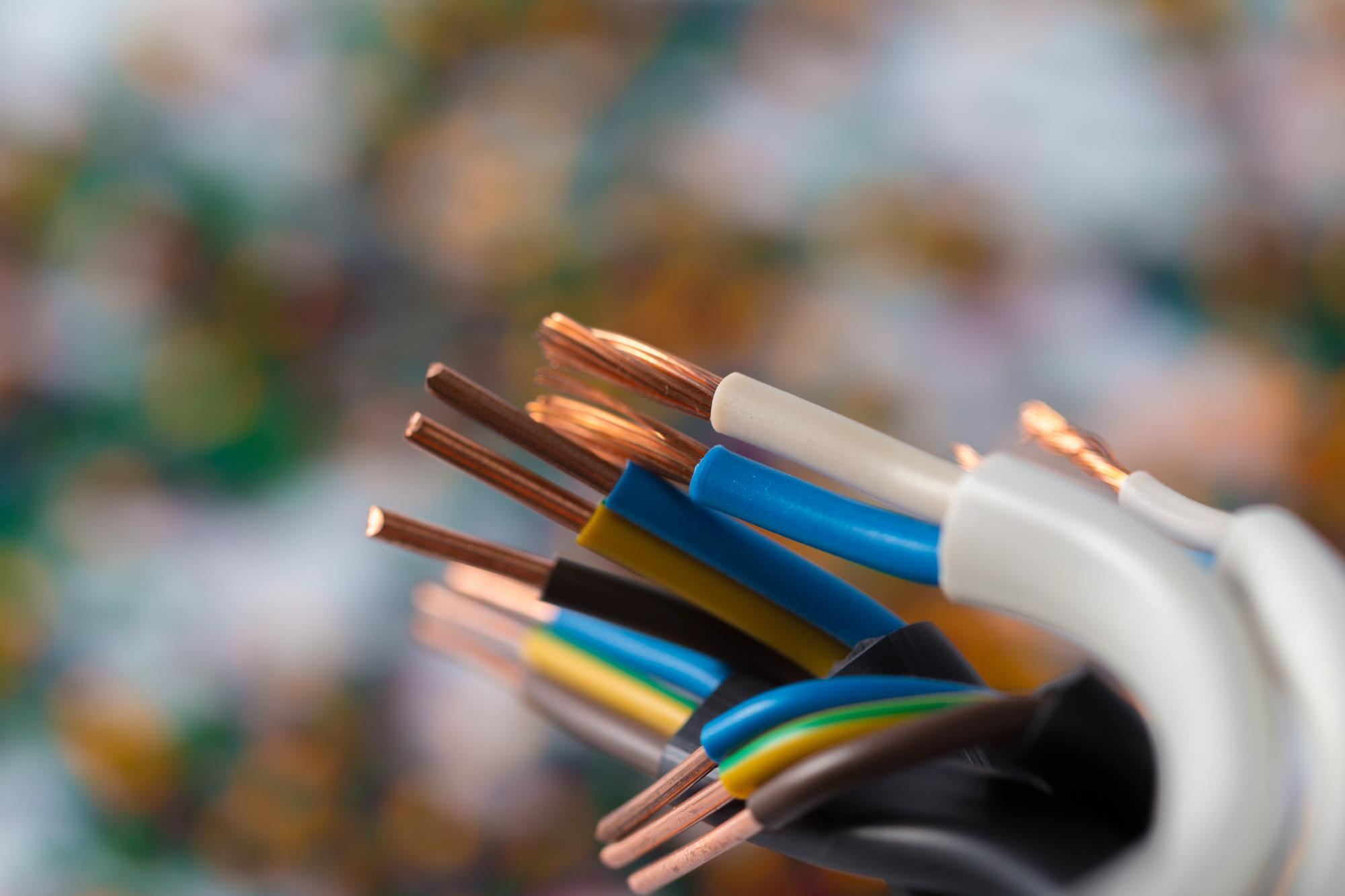
Old cables show up pretty much everywhere, in homes, offices, factories, even active construction sites. When gadgets get swapped out, or when electrical systems are upgraded, extra cables can pile up fast. Just tossing those cables into regular trash can feel easy, but it may waste useful components and also cause all kinds of unnecessary environmental issues. Recycling them is usually a more sensible option for handling this kind of waste, even if it’s not always convenient at first.
This article will explore why cable recycling is important:
Helps Reduce Waste
A major reason for cable recycling is that it reduces the amount that ends up in landfills. Old cables, when they are tossed away, can take up space that could be used for other materials. When households and businesses take unwanted cables to a proper recycling facility, they help keep reusable components in use rather than sending everything straight into the waste stream.
Supports a Cleaner Environment
Improper disposal of electrical waste can raise environmental concerns. Recycling helps make sure old cables are processed through the right waste-handling systems, not just collected and ignored. Rather than letting unwanted cables pile up or be mixed with general waste, responsible recycling offers a more organized approach to their disposal.
Benefits Businesses
Businesses often end up with a surprising pile of old cables after office upgrades, construction phases, electrical work, or just swapping out equipment. Trying to keep those things organized and then send them to a suitable recycling facility can feel like a more responsible way to manage waste. And honestly, it also helps a lot with cleaner work areas, less visual noise, and less “where did this end up” clutter in the long run.
Creates Useful Recycled Materials
What gets recovered from outdated cables is usually not just tossed. The recovered metals can be processed for new manufacturing, and other components can be routed to appropriate recycling streams. This idea aligns with a circular-economy model, where materials are reintroduced rather than treated as waste after a single use and then forgotten.
Keep Cables Separate
If you’ve got old cables at home or work, try not to just throw them into regular household waste. Instead, keep them in a dry, organized area until you can take them to a proper recycling or collection point. Mixing them with general trash makes everything harder to handle later and turns it into a messy problem for someone else.
Also, do not burn cables to peel off the outer covering. Burning electrical cable insulation can release harmful fumes, and it’s not a safe recycling approach at all.
Choose a Responsible Recycling Facility
Not every recycling center accepts every kind of cable. Before you bring anything in, check if they actually accept the specific materials you have. For larger quantities, businesses may benefit from working with a recycling company specializing in electrical or electronic waste. You can ask about pick-up or collection services, what they will accept, and how the cables are processed once they arrive.