
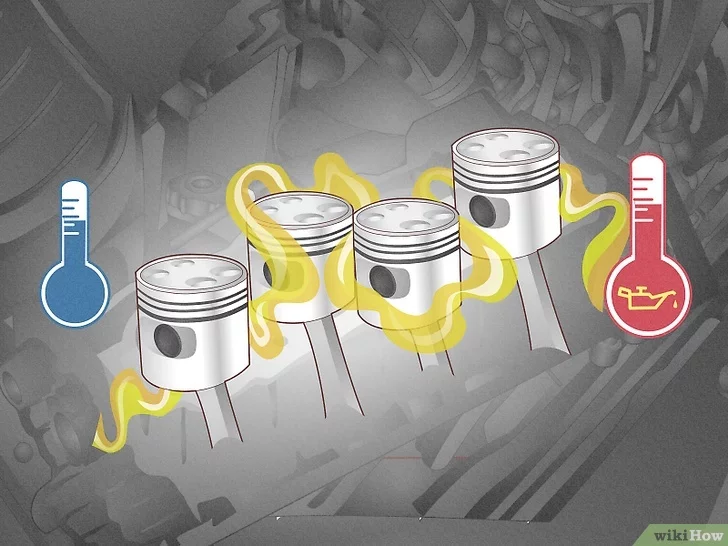
A sudden oil pressure drop is one warning a driver should never ignore. Engine oil creates a protective film between moving metal parts, and inadequate pressure can quickly reduce that protection. If the oil-pressure light appears while driving, shutting the engine down safely and checking the cause is usually smarter than continuing toward your destination.
Why Oil Pressure Can Drop Suddenly
Low oil level is one of the simplest possibilities, but it isn’t the only one. A leak, excessive oil consumption, a clogged pickup screen, worn internal bearings, or a failing oil pump can all affect pressure.
Before adding oil automatically, inspect the dipstick on level ground after allowing the engine to sit briefly. Broader engine care references can be useful when learning how lubrication fits into routine vehicle maintenance, but an actual pressure problem needs direct diagnosis.
Pressure and Oil Level Are Different
An engine can contain the correct amount of oil and still have inadequate pressure. The pump must circulate that oil through passages and bearings with enough force to maintain lubrication.
That distinction matters because repeatedly topping off an already-full crankcase won’t repair a weak pump, restricted passage, or excessive internal clearance.
What to Check Before Restarting
Look beneath the vehicle for fresh oil and inspect around the filter, drain plug, valve covers, and other visible sealing areas. A recently serviced engine deserves extra attention because an improperly installed filter or drain plug can allow rapid oil loss.
Drivers researching engine performance topics may encounter many possible explanations for warning lights. The practical priority remains simple: verify the oil level, look for obvious leakage, and avoid prolonged operation until the pressure issue is understood.
| Observation | Possible Issue | Best Response |
|---|---|---|
| Low dipstick reading | Leak or oil use | Add correct oil and inspect |
| Normal level, warning stays on | Pressure fault | Stop engine and diagnose |
| Oil under vehicle | Active leak | Avoid continued driving |
| Ticking or knocking | Poor lubrication | Shut engine down promptly |
Why Mechanical Inspection May Be Necessary
An oil-pressure sender or its wiring can sometimes trigger a false warning. Because of that possibility, technicians may connect a mechanical pressure gauge to determine whether the engine truly has low pressure.
If pressure is genuinely low, inspection may move toward the pump, pickup tube, oil passages, or internal bearing wear. General mechanical maintenance guides can help owners understand these components, but determining the exact cause often requires measurements rather than visual inspection alone.
Listen for Changes in Engine Sound
Valve-train ticking, tapping, or deeper knocking after a pressure warning deserves immediate attention. Those sounds may indicate that moving components are no longer receiving adequate lubrication.
Restarting the engine repeatedly to see whether the noise disappears can turn an inexpensive sensor issue into a much more serious mechanical problem if the pressure is actually low.
Mistakes That Can Make the Problem Worse
One common mistake is assuming the warning light means only that the engine needs an oil change. Oil condition matters, but a pressure warning can indicate something much more immediate than routine service.
Another poor approach is driving several miles because the engine still sounds normal. Serious lubrication problems don’t always create dramatic noise immediately. Overfilling the crankcase is also risky because excess oil can foam or interfere with normal lubrication.
Frequently Asked Questions
Can low oil cause low oil pressure?
Yes. If the oil level falls far enough, the pump may struggle to draw a steady supply of lubricant. Check the dipstick, add the manufacturer-specified oil if needed, and investigate why the level became low.
Can a bad sensor cause an oil-pressure warning?
A faulty oil-pressure sensor, connector, or wiring problem can trigger an incorrect warning. Because genuine low pressure can damage an engine, however, the warning should be verified rather than dismissed as an electrical problem.
Is it safe to drive with the oil-pressure light on?
Continuing to drive can be risky because genuine low pressure may cause rapid internal wear. Pull over safely, shut off the engine, check the oil level, and arrange further diagnosis if the warning cannot be explained.
Protect the Engine Before Testing Further
An oil pressure drop deserves a cautious response because lubrication failures can become expensive quickly. Check the oil level and obvious leaks first, but don’t assume a full dipstick proves everything is fine. If the warning remains, pressure testing and mechanical inspection can identify the real problem before unnecessary running causes additional damage.